Autor: Danii Pollehn

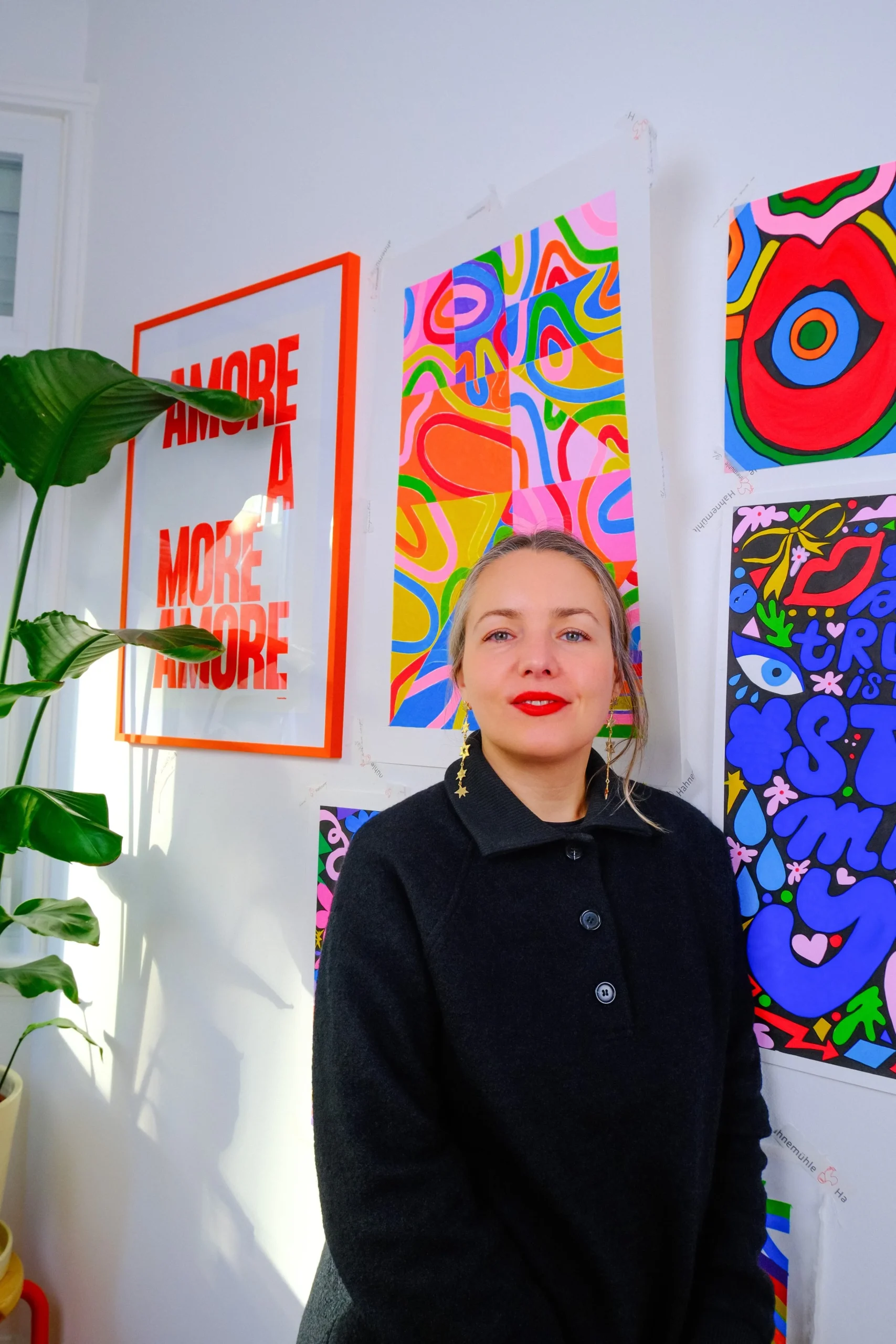
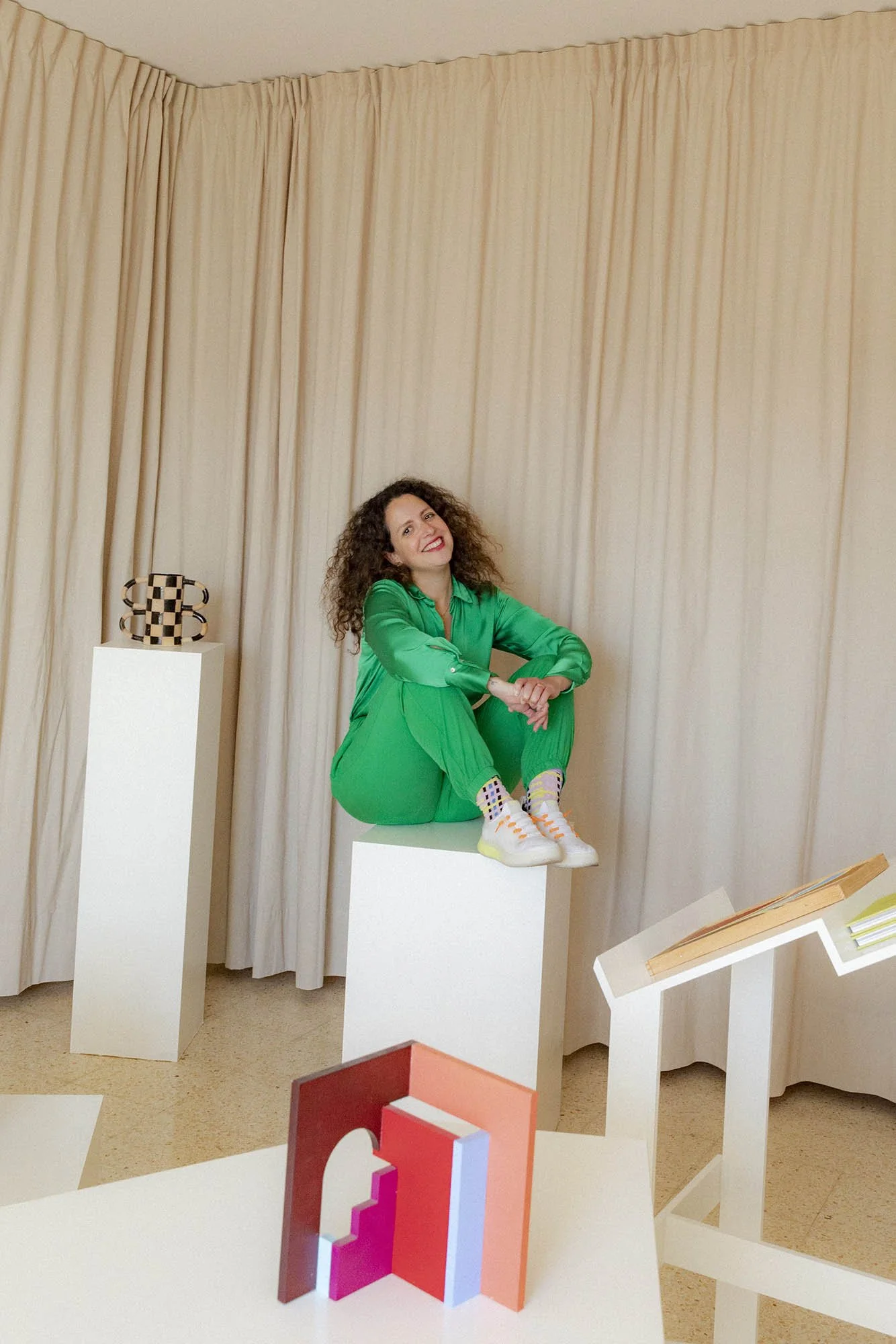
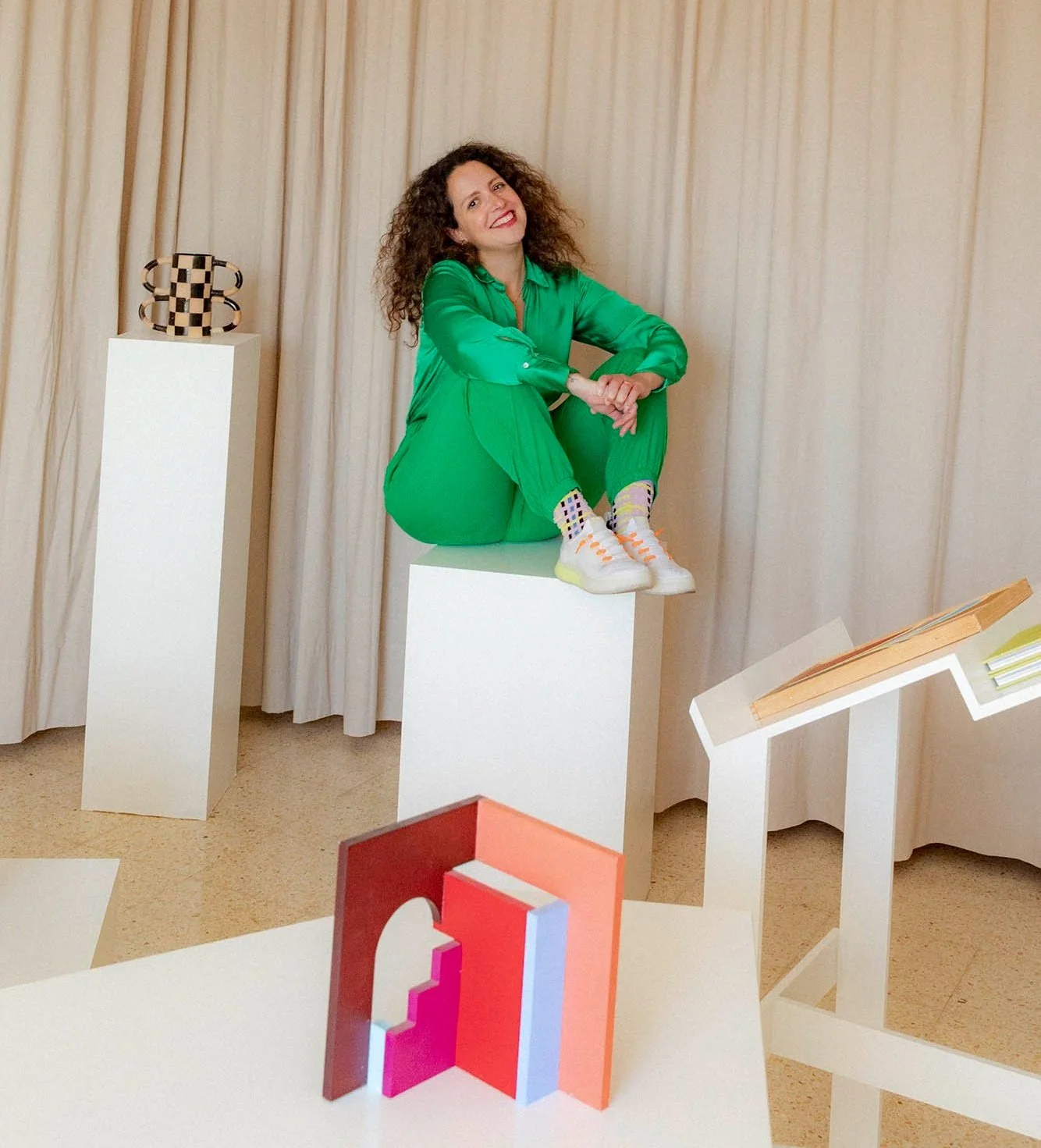
  • Artist Spotlight: Illustrator & Artist Marina Esmeraldo

    Artist Spotlight: Illustrator & Artist Marina Esmeraldo

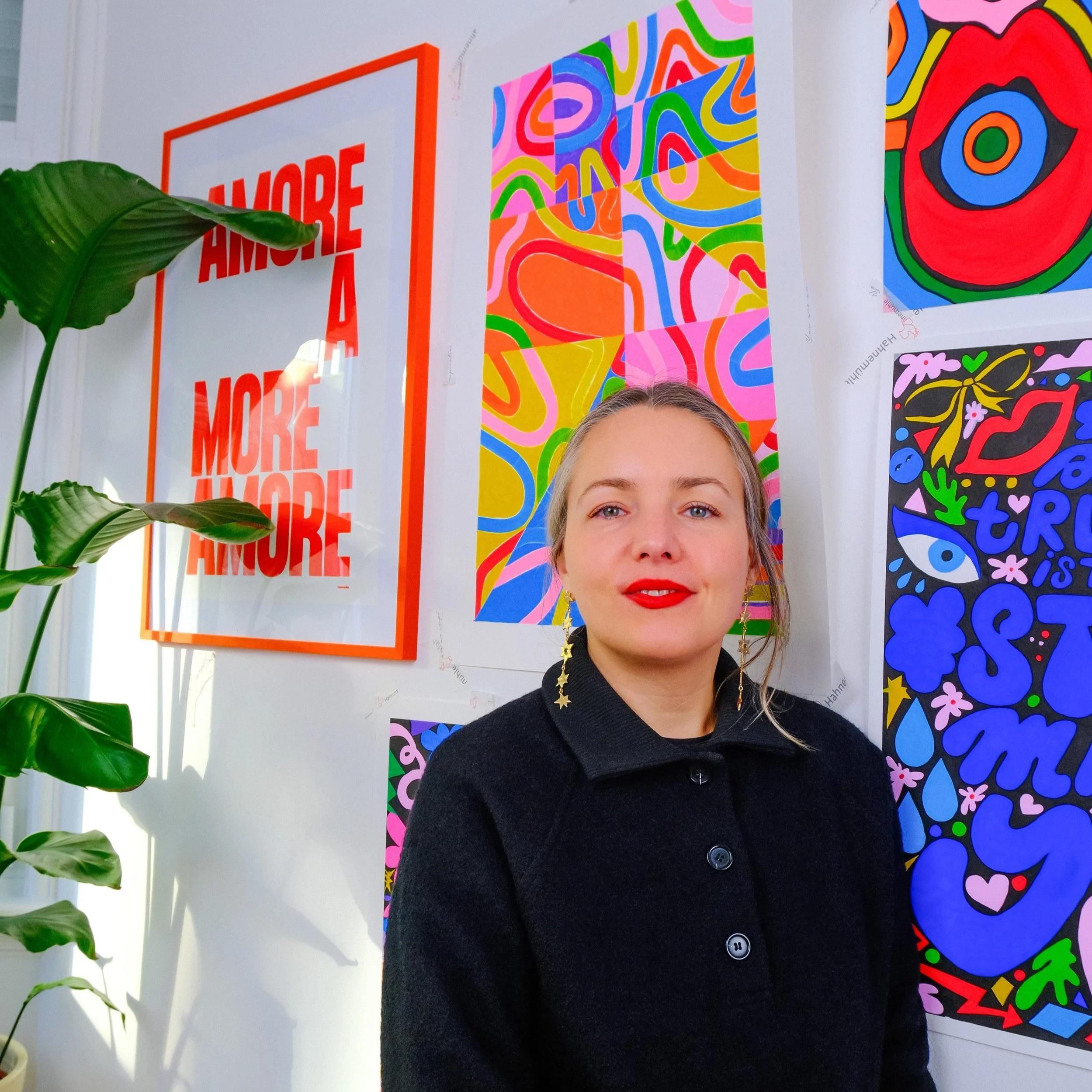
     Photo: ©Cecilia Diaz Betz
    Photo: ©Cecilia Diaz Betz

    Can you tell us a bit about your journey as a creative? How did you start in illustration?

    I’ve been drawing since I could hold a crayon, but my professional journey began 10 years ago. After studying Architecture and Urbanism in Brazil, I moved to Barcelona for a master’s in art, design, and public space, which led to a street art startup. Meanwhile, I fell in love with Spain and needed a visa to stay, so I took up studying applied mural arts. This unlocked my creative voice after being dormant for years and I soon realized I wanted to fully focus on making my own art instead of only supporting others. While rapidly careening into burnout from juggling the startup project, studies, and an internship, I had a lightning-strike moment — I could make a living as an illustrator! It took time to find my style, build a portfolio, and make industry connections. I had a burning passion and a clear vision and, eventually, I went full-time freelance—and never looked back.

    How has your style evolved and changed over time? Do you actively shape it or is it changing organically?

    My style has changed a lot over the years and grown to accommodate more strands of the visual arts. It’s always been an organic process. I used to compare myself to illustrators who have an absolutely consistent style, thinking my shape-shifting or curiosity about other mediums was a problem, but you know what? I realised that’s just part of my identity as a creative — and my identity in general (hello Gemini sun & midheaven) — and that this is absolutely fine. I understood that whatever I make, there is a clear link between things: usually line, shape and colour. I am ever evolving, ever growing. So why not reflect that in my creative work?

    How do you find and connect with clients? Do you rely on social media, networking, or other platforms? How do you promote your work?

    It’s a mixture of 1:1 prospecting new clients, maintaining relationships with existing ones, working with agents and their network, participating in exhibitions, recommendations from other fellow illustrators, of course social media, and in a wider sense – just having my work online and offline. There is definitely an element to it which is simply putting the work out there and flowing with the mysterious ways of the universe, because you never know how your work may fall in front of the right eyes at the right time. 
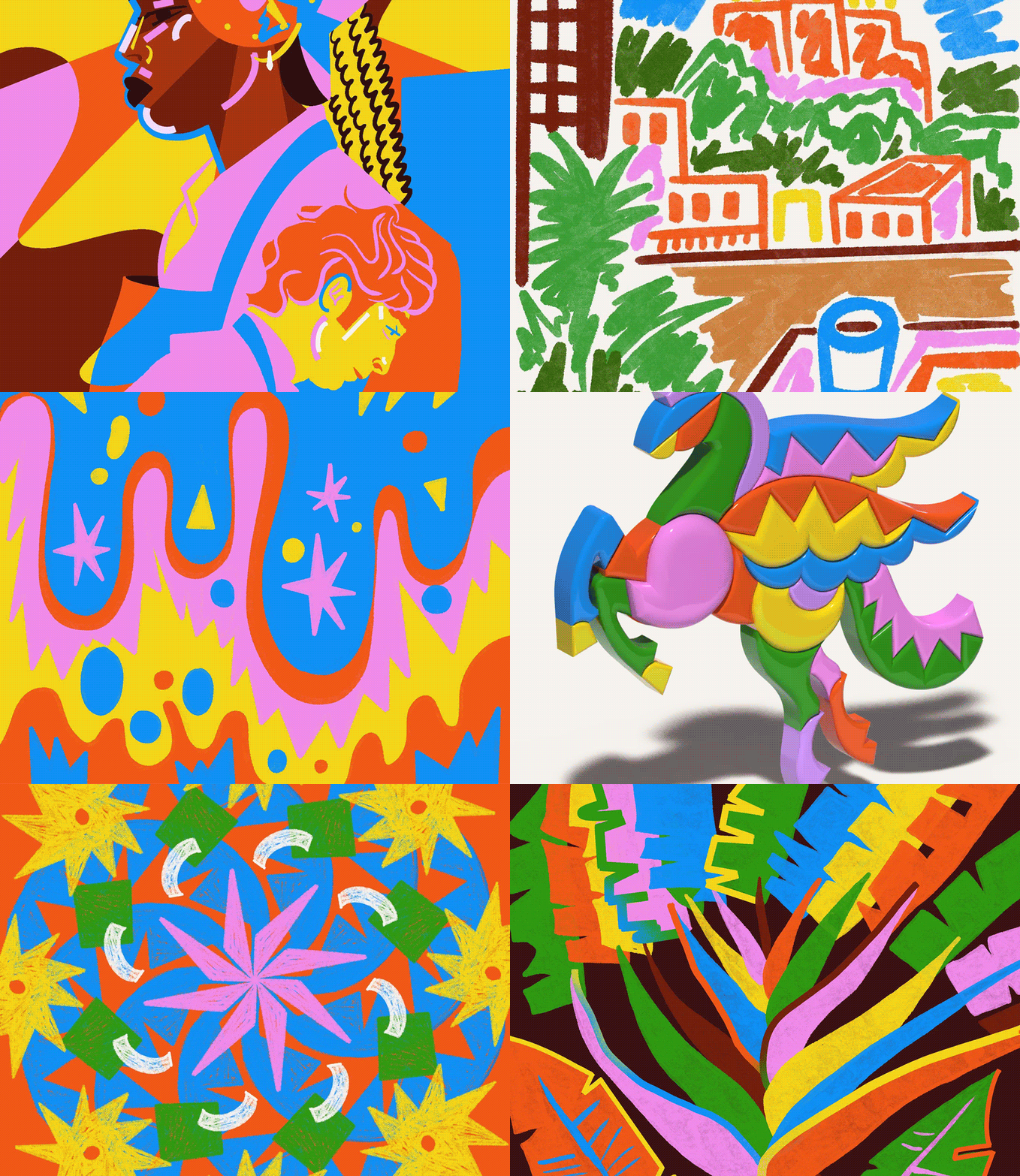
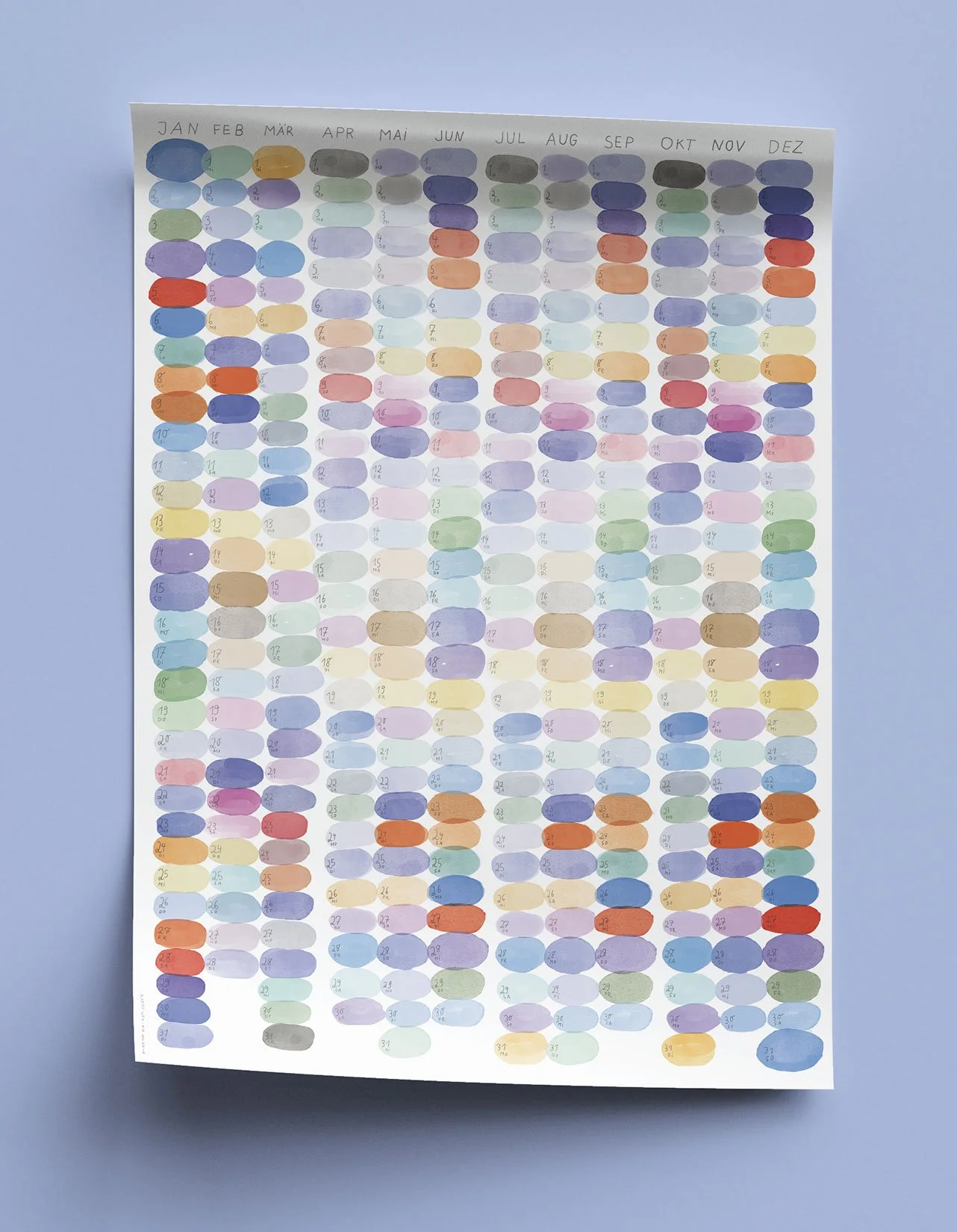
     Daily Drawing Challenge by Marina Esmeraldo
    Daily Drawing Challenge by Marina Esmeraldo
    >
    In terms of starting to make an income, writing a well-considered email to the right type of person (commissioner) goes so much further than making work for competitions and open calls, though both are important. Understanding that we are not enterprises within a capitalist system, only meant to keep growing and making more money each year is key; it’s okay to have highs and lows, life is cyclical and so is the industry. Surround yourself with community, you are not alone and we are the more powerful for sharing our resources with each other, be it time, contacts, clients, stories or recommendations.

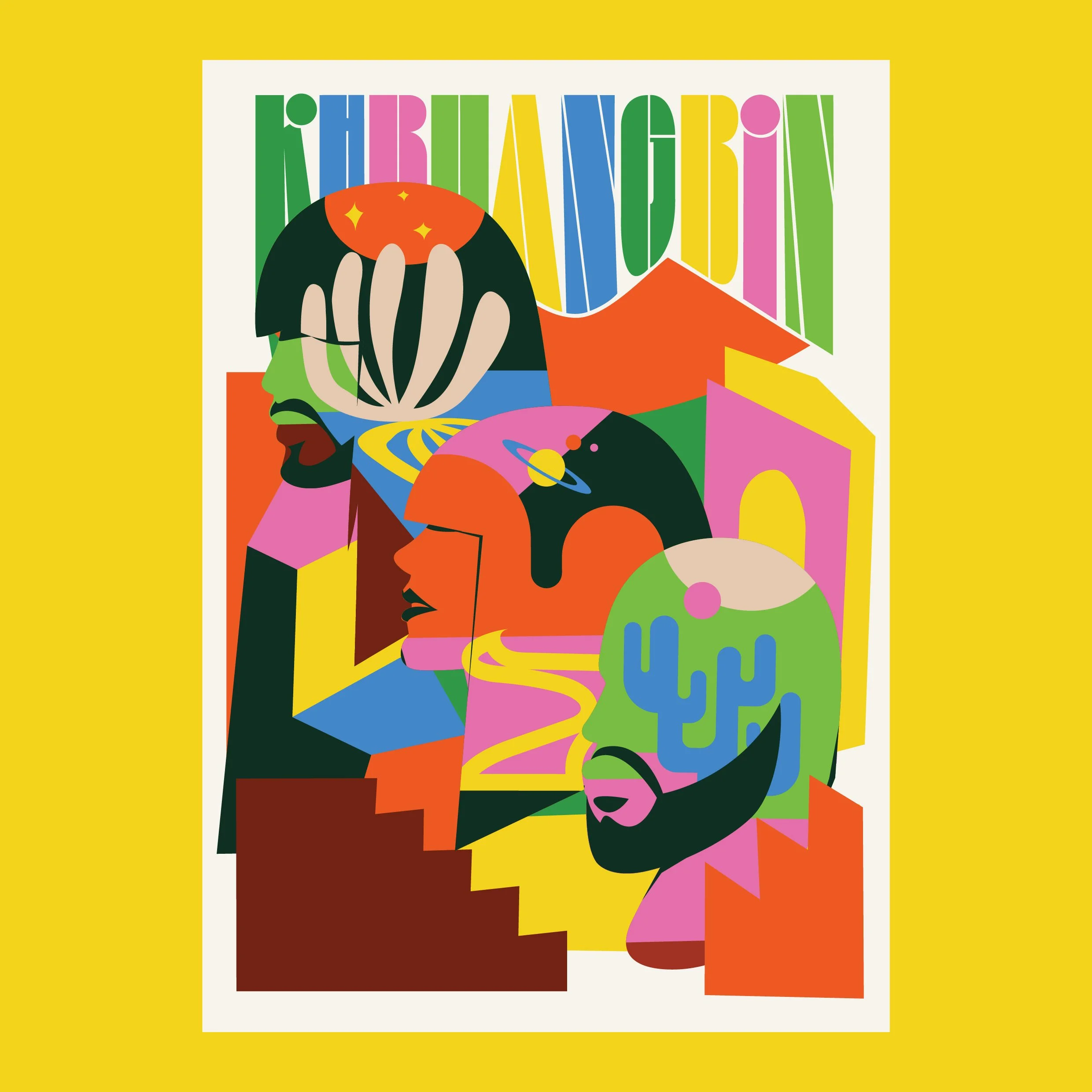
     Marina Esmeraldo, 10 Anos Ilustrando - Prints
    Marina Esmeraldo, 10 Anos Ilustrando – Prints

    Do you work independently or collaborate with an agent, agency, or other creatives? Why did you choose this setup?

    All of the above at different points in my career. I am currently working independently, but also with agents in different territories, and participating more in community with other fellow illustrators. I also have relationships with lots of agents that don’t represent me and who are always happy to offer guidance and sometimes projects. I think it’s important to diversify the streams from which the opportunities come from, and most of all to remember the agency we have as individuals.

    What is the most challenging part of being an illustrator/graphic designer/photographer for you?

    The inconsistency of work can be quite challenging. I’ve been good at preparing for and handling it over the years, but I think we have all suffered contractions in this industry recently, which has been incredibly challenging financially at times, and led me to burn out badly in 2022. The economic factor has then augmented other challenges for me, like the isolation of working alone and the inevitable comparison trap when spending any amount of time on social media. In 2024 I birthed my daughter, and it was my slowest work year to date. I’ve had to dig pretty deep not to let this consume me emotionally – detaching my sense of self-worth as a human and as a creative professional from the amount of money I make has been one of the most important things for my mental health recently.
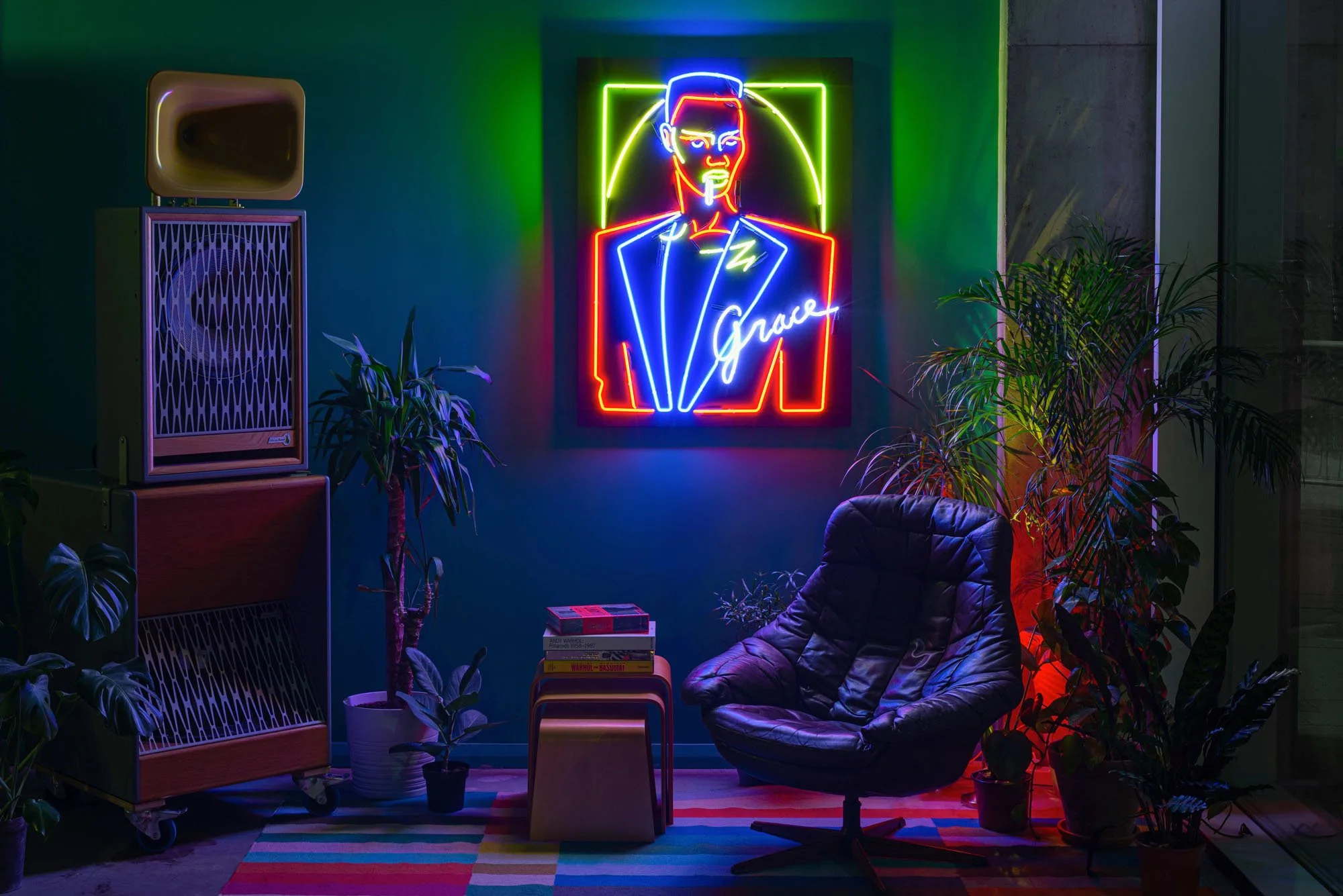
     © Marina Esmeraldo Black Girl Magic Honey Dijon
    © Marina Esmeraldo Black Girl Magic Honey Dijon

    Looking back, what advice or knowledge would have made all the difference or would have helped you a lot in the beginning of your career?

    In terms of starting to make an income, writing a well-considered email to the right type of person (commissioner) goes so much further than making work for competitions and open calls, though both are important. Understanding that we are not enterprises within a capitalist system, only meant to keep growing and making more money each year is key; it’s okay to have highs and lows, life is cyclical and so is the industry. Surround yourself with community, you are not alone and we are the more powerful for sharing our resources with each other, be it time, contacts, clients, stories or recommendations.

    ⁠⁠If your design style were a playlist, what would the first three tracks be, and why?

    Ooh, great question! “Hold On” by Little Dragon, “Casio” by Jungle and “Energy” by Beyoncé.

    ⁠⁠Do you have any resources that everyone should know about?

    Rocket Reach and Hunter.io are great tools for finding the contact information of art directors, art buyers and other commissioners. Notion and the systems it provides are essential for me to keep my work and personal life organised, especially as a new mother and someone in the spectrum of ADHD, likewise an organised Google Calendar or similar. Having a scrappy, self-teaching attitude goes a long way, and whatever I can’t learn on Youtube tutorials, I will probably head to Domestika for really affordable courses. 
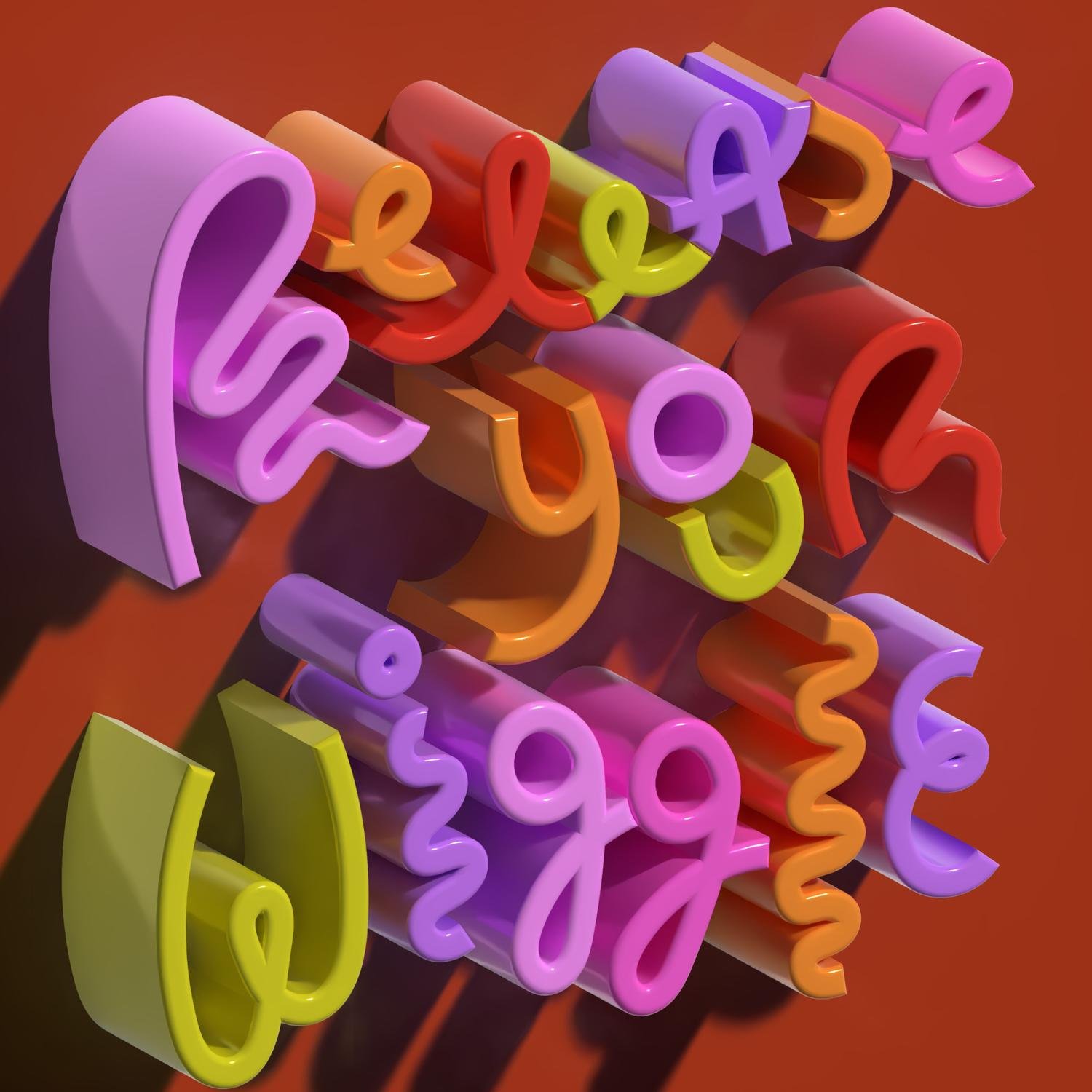
     © Marina Esmeraldo - Release Your Wiggle-Lettering
    © Marina Esmeraldo – Release Your Wiggle-Lettering

    What are 3-5 links of things that have recently inspired you, made you think about things more deeply or you just feel incredibly entertained by!

    I love psychology and self-knowledge tools, like astrology, Human Design and Tarot. These links let you play around with that info in a fun, accessible way.

    I’m currently deep into the reading of the iconic book Women Who Run With The Wolves, which has been life-changing. It’s an incredibly profound dive, but I find it essential reading for any person, not just women.

    For motion graphics stuff, I’ve been feeling inspired by the ideas popping up from browsing Motion Array website, it’s cool to download the preview files for free and play around with them!
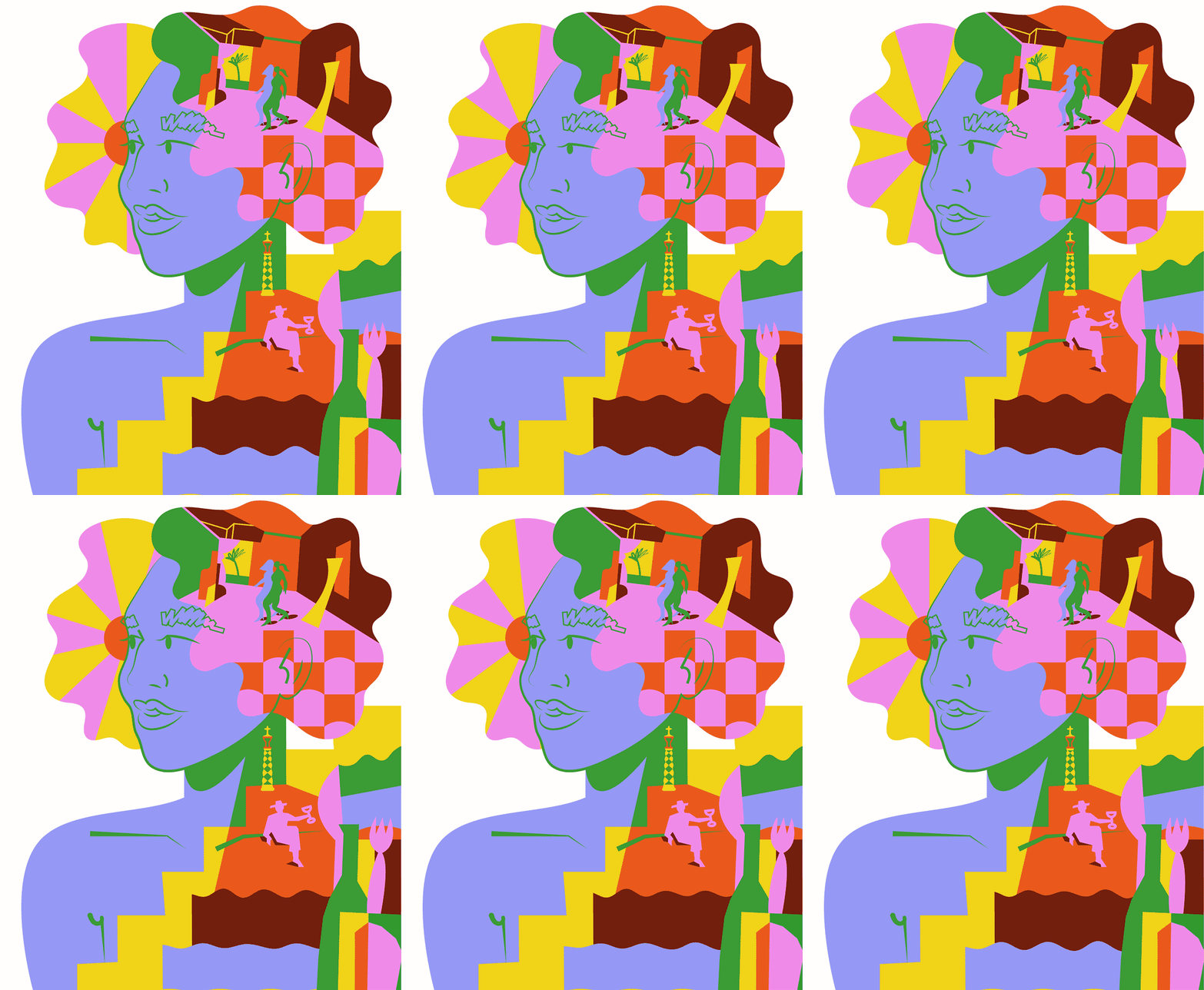
     © Marina Esmeraldo - Casa Camper - Verano
    © Marina Esmeraldo – Casa Camper – Verano

    ⁠⁠⁠In your opinion: who are the 2 most underrated creatives right now that you think need more attention and eyes on their work?

    Lucas Dias is an incredible photographer, performer, poet and healer from Brazil. His groundbreaking work lies in the intersection of queerness, transformation, and nature.

    Marta Ribas is an artist, illustrator, weaver and designer from Barcelona. Everything she makes is impeccable, and I’m obsessed with the apparel she creates for clothing brand Thinking Mu.
    >> Read more Artist Spotlights here!

  • Artist Spotlight: Artist & Content Creator Nina Hüpen-Bestendonk

    Artist Spotlight: Artist & Content Creator Nina Hüpen-Bestendonk

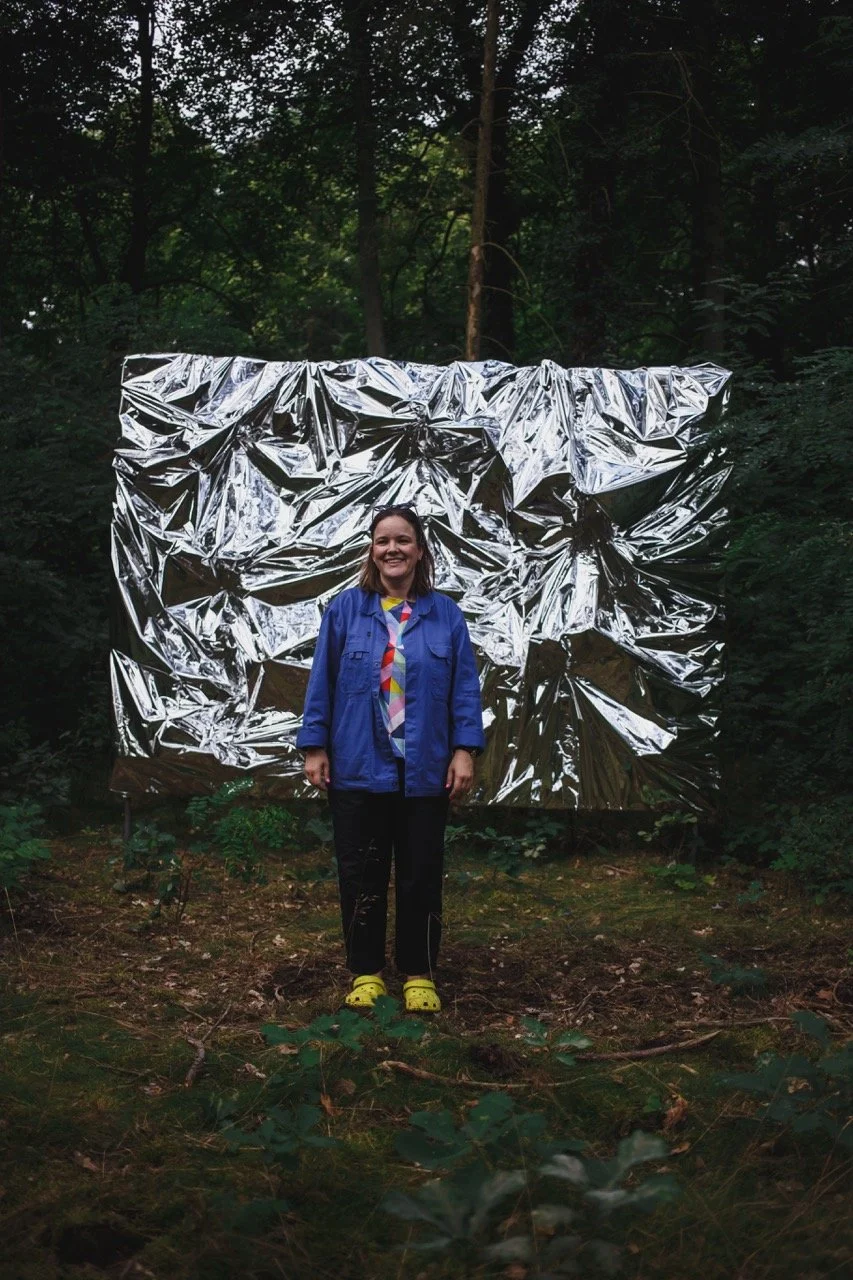
     Copyright © Nina Hüpen-Bestendonk
    Copyright © Nina Hüpen-Bestendonk

    1. Tell us about your journey as a creative. How did you get into creative work and how did you get to where you are now?

    You might as well ask „How did you get into breathing?“. Creativity was always there as soon as I could hold a pen and I knew from a young age that I wanted to become an Artist or Designer. I eventually did study Communication Design in Dortmund. After a very brief job in an marketing agency I decided to go freelance pretty much right away. In 14 years of self employment I had to pivot and shift quite often from UX Designer to Travel Blogger to Content Creator to Illustrator to Shop Owner to Artist and every time a piece of each job stayed with me. So today I would probably call myself a „eierlegende Wollmilchsau“ (egg laying wool-milk-pig?) of creative work.

    2. How do you find and connect with clients? Do you rely on social media, networking, or other platforms? How do you promote your work?

    Most of my clients come from social media, as social media is a big part of my work anyway. I also go to networking events, conferences and fairs. Many of my clients I know for a very long time, some of them became friends. That being said – I could probably do a much better job promoting my work and telling people more about what I have to offer.

    3. How do you develop your skills and stay creatively inspired?

    One of the few perks of having ADHD is that you always keep learning, exploring and wanting to try new things. Getting inspired or coming up with new ideas is rarely the problem, but actually making those ideas or projects reality often is. I’m a curious person and I think most of my inspiration comes from travel, walks around my neighborhood and conversations with friends.

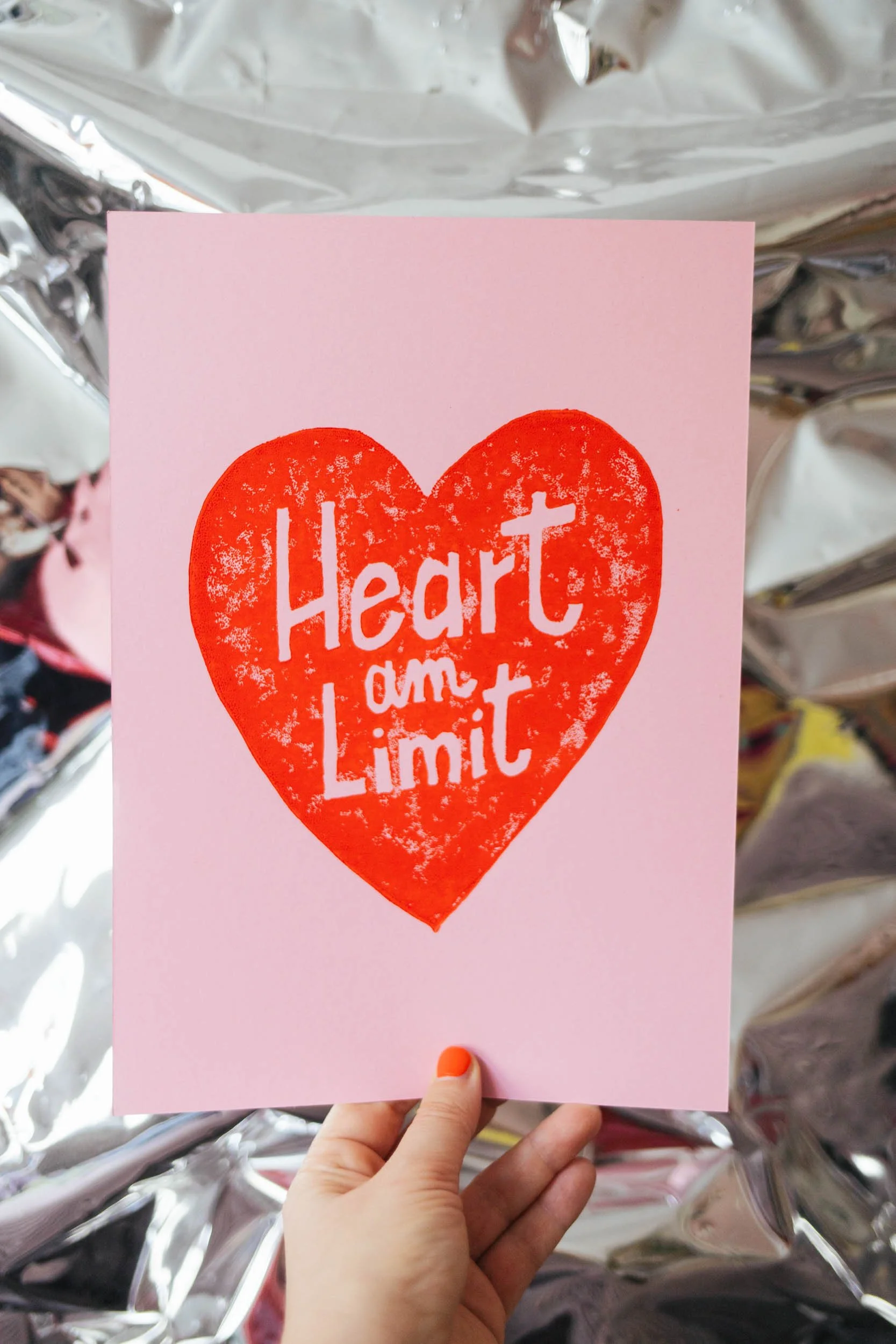
     Heart am Limit Postcard - Copyright © Nina Hüpen-Bestendonk
    Heart am Limit Postcard – Copyright © Nina Hüpen-Bestendonk

    4. What’s been the most challenging aspect of running your creative business?

    The lack of security, sometimes is challenging. Especially in times like these when the economy is in a crisis, creative projects and budgets are always the first to be cut. In the past I struggled to keep up my business afloat during burnout or the global pandemic. You really have to adapt and change all the time.

    5. Where do you see your business in five years time? Are there any specific goals you’re working towards?

    I probably shouldn’t say this but I never had any specific goals for my business other than being happy with what I do. I’ve always been the „making it up as I go along“ type because, who can predict the next cool project coming along or the next shift in technology. My ideas for what I’d love to do next change all the time. Who knows, maybe in 5 years I host a travel tv show or I run my own skate shop. Both sounds fun!

    6. What types of projects excite you the most?

    Projects where I feel a mutual respect and trust, where I get the full creative freedom. I love to do new things I haven’t done before, but they scare me at the same time. So there has to be a balance. Funny enough – even though I’m self employed – I really thrive working in creative teams.

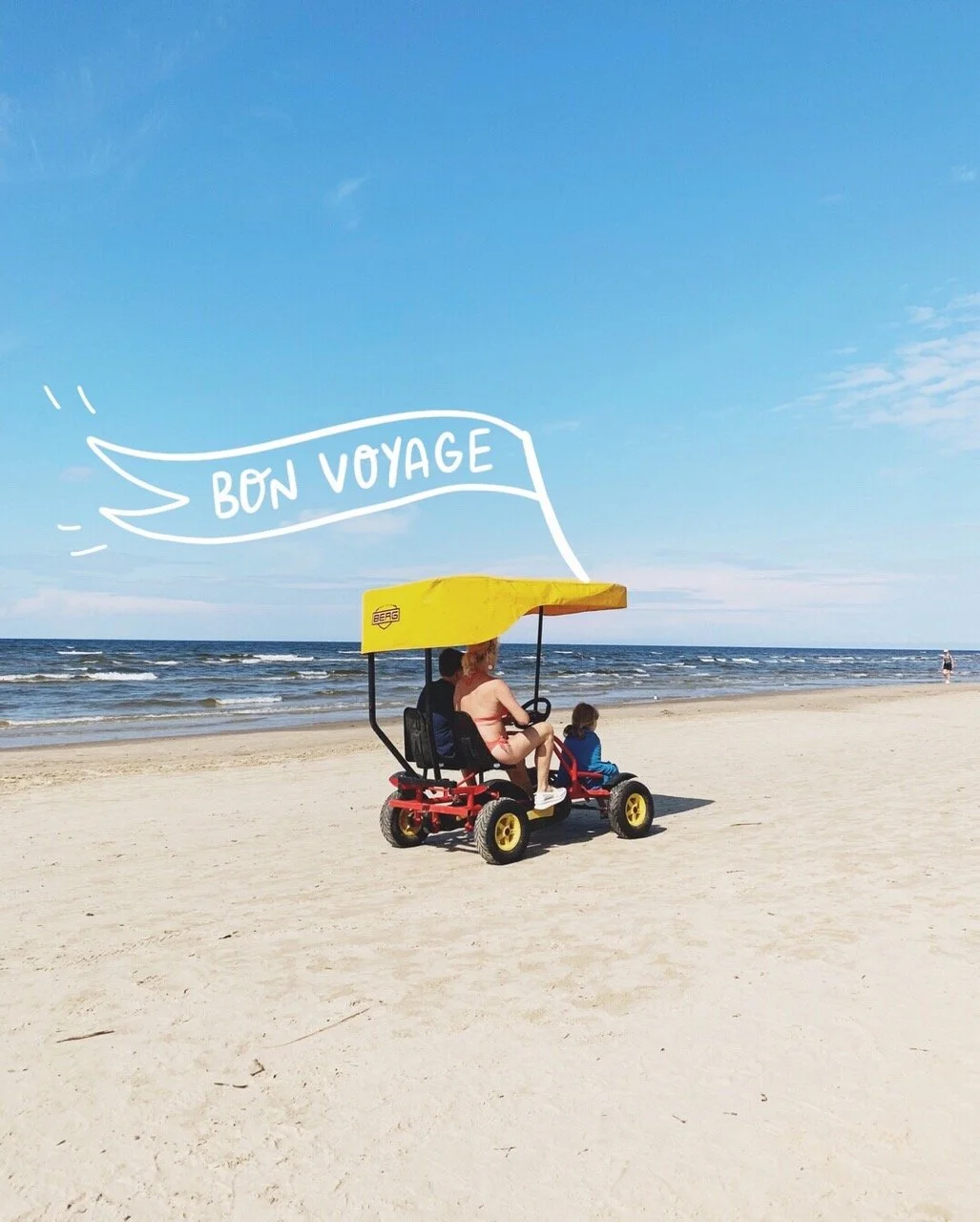
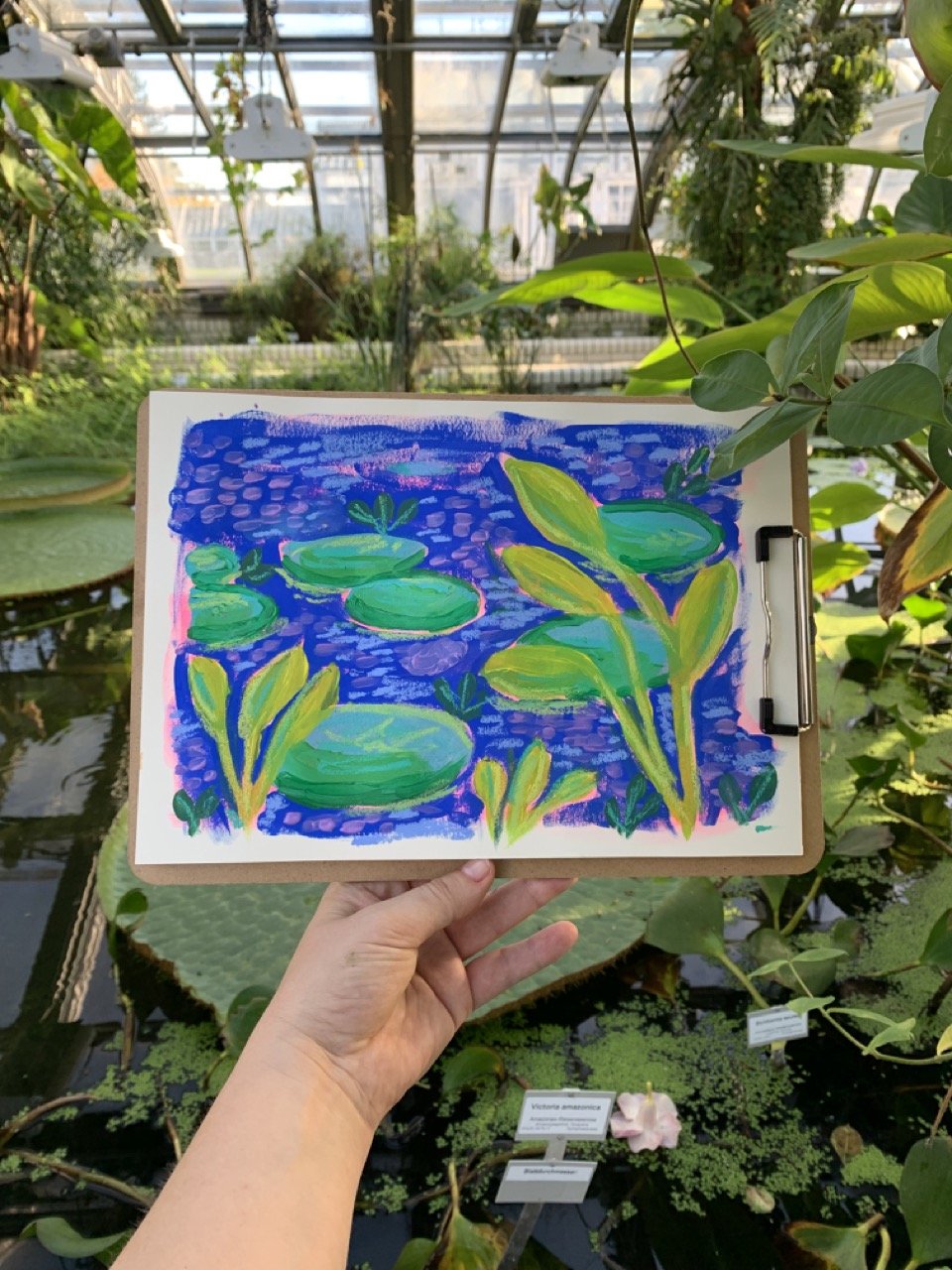
     Bon voyage - Copyright © Nina Hüpen-Bestendonk
    Bon voyage – Copyright © Nina Hüpen-Bestendonk

    7. What advice would you give to someone just starting out in creative work?

    Always stick to your gut. Not every advice is good advice, so it is important you can trust your own intuition. The projects that went south in my career where always the ones where I ignored red flags and gut instincts.

    8. What’s a non-design related skill or hobby that unexpectedly influences your creative process?

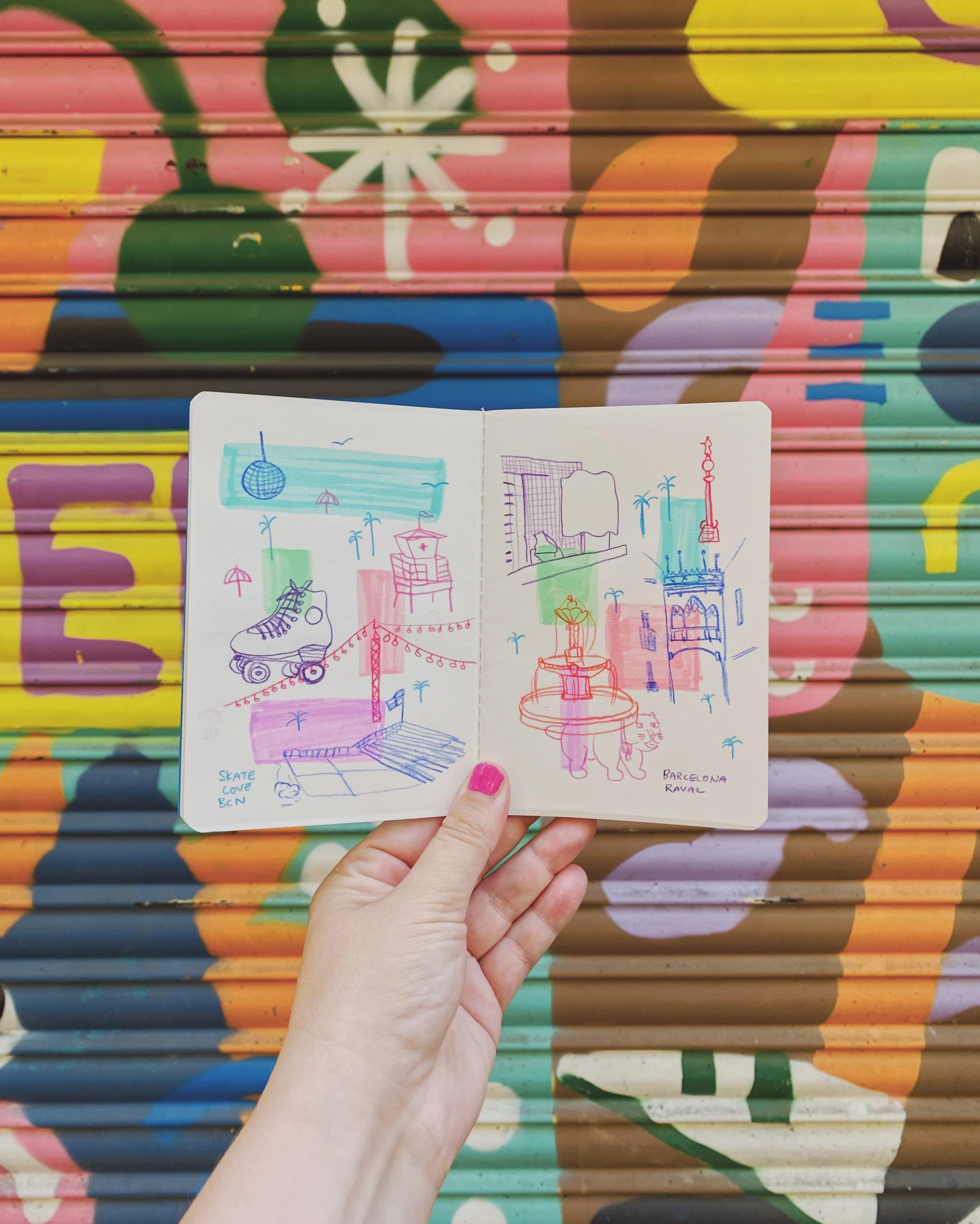
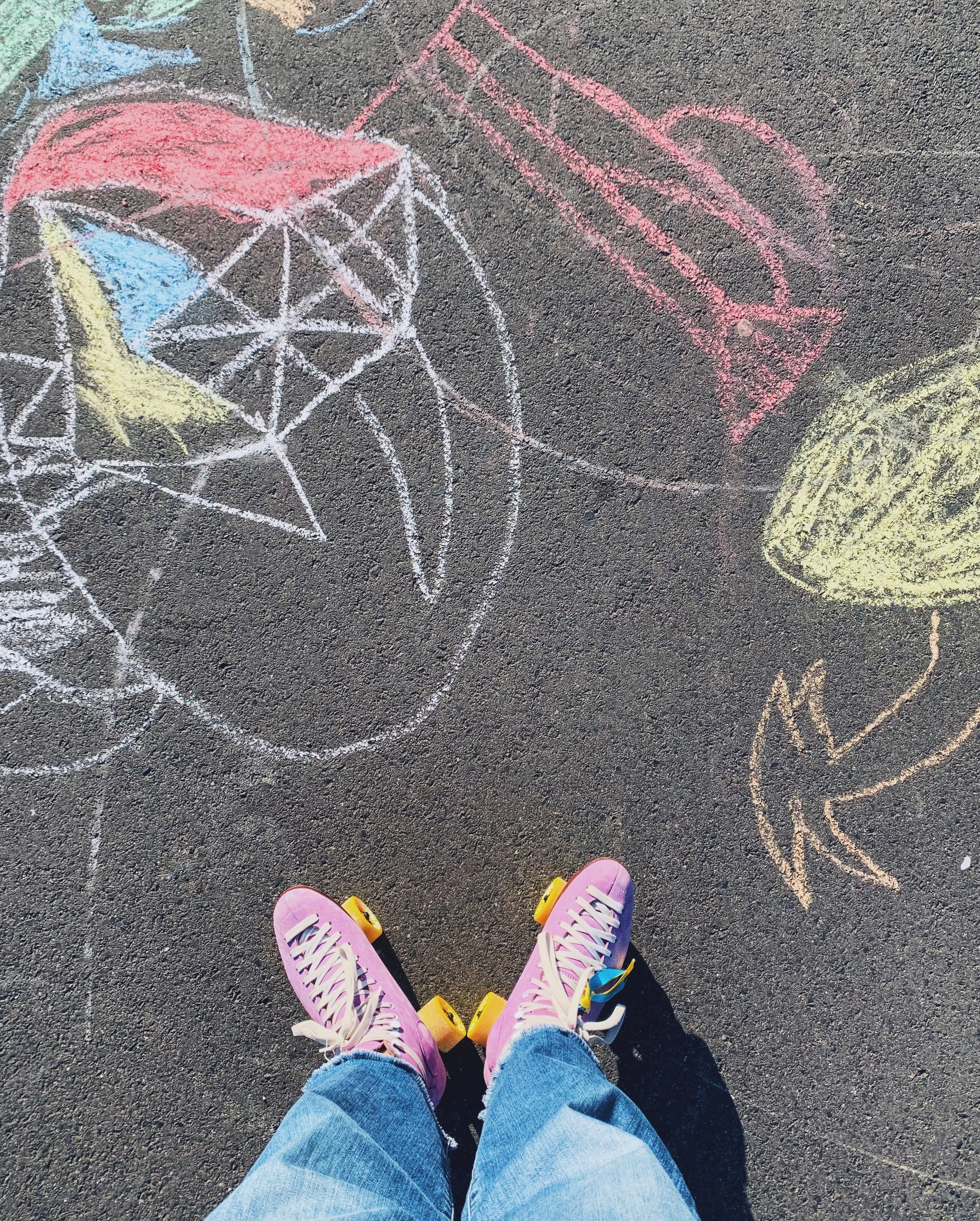
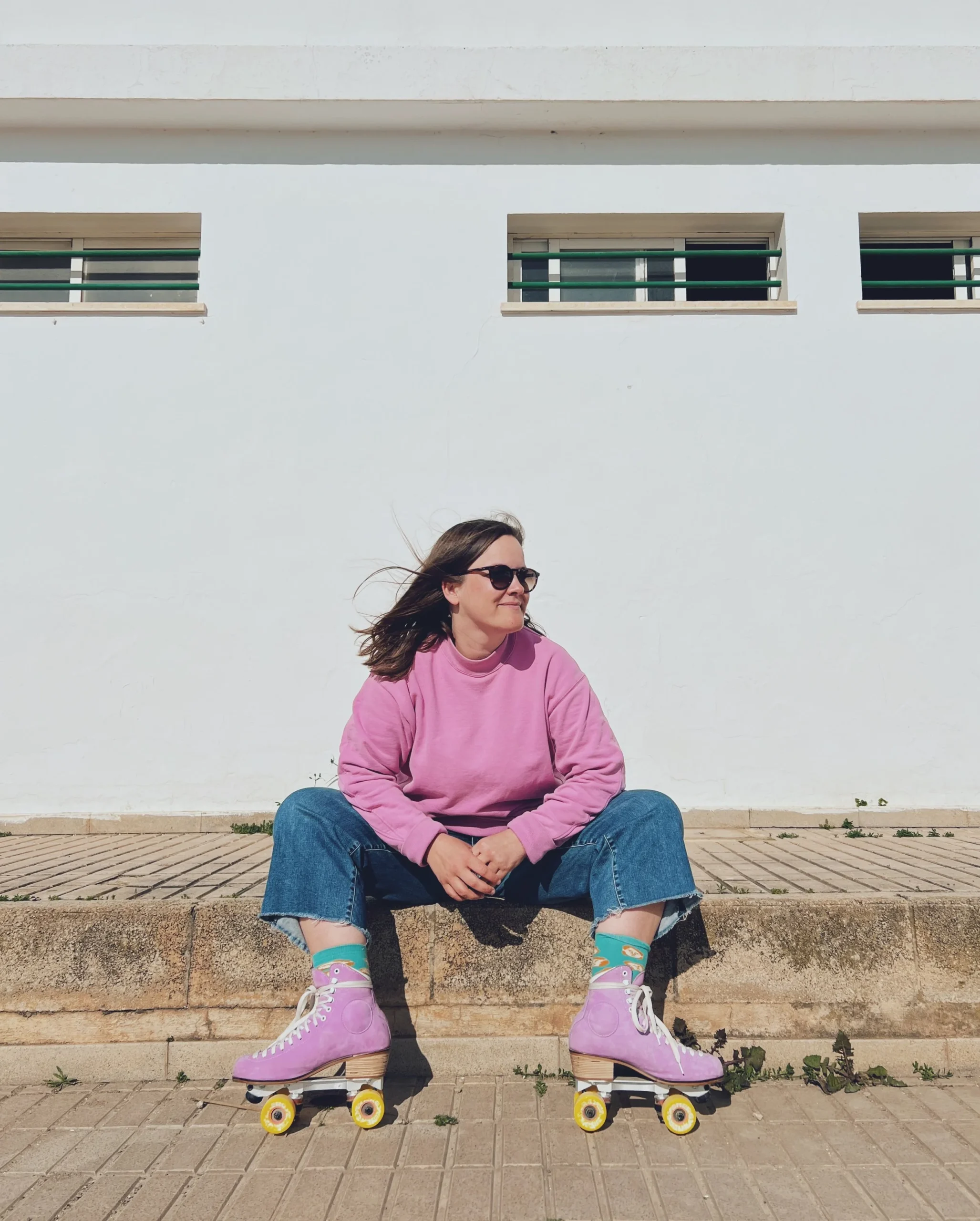
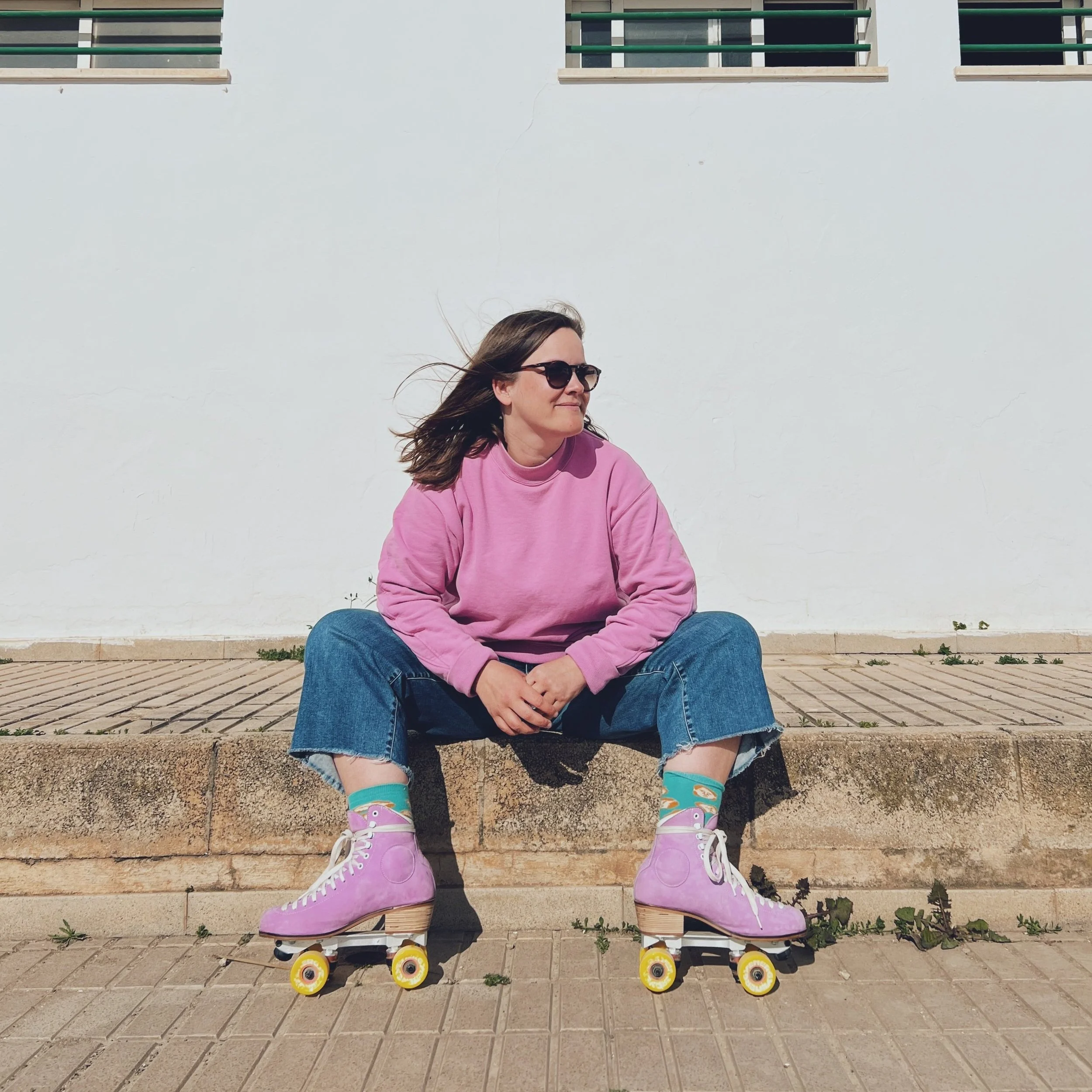
    I’m a girl of many hobbies and most of them are creative, but the one I sticked to the longest is rollerskating. Dancing on skates challenges my creative intuition as it is so fast and I can’t think about the next step really. The community inspires me every day and also forces me to step out of my own bubble.

    9. Share 3-5 links to things that have recently inspired you, made you think more deeply about things, or just made you feel incredibly entertained! Something you would like to share with us and the readers 🙂

    – I recently finished Schitt’s Creek and the finale had me laughing and bawling my eyes out at the same time. I’m really late to the party but this show came at the exact time when I needed it.
    – I love the sketchbook tours of @superniceletters
    – I met Julie Leguez last year in an artist residency and her recent AI video installation about female body image really hit a nerve: Find it here!
    – This is in German but I enjoy the Substack of writer Anika Landsteiner, especially her recent essay about her „no bullshit year“ was really inspiring!
    Fabiola Lara ha a really inspiring way of approaching social media as a creative and shares great tips for in her broadcast channel and newsletter

    10. In your opinion, who are the 2 most underrated creatives right now who you think need more attention and eyes on their work?

    Only 2? This is hard!
    There are so many incredible creatives (especially women) that need more attention!
    Dana Lungmuss is an incredible illustrator and I think her work should get more attention, not just because she recently drew me rollerskating 😉
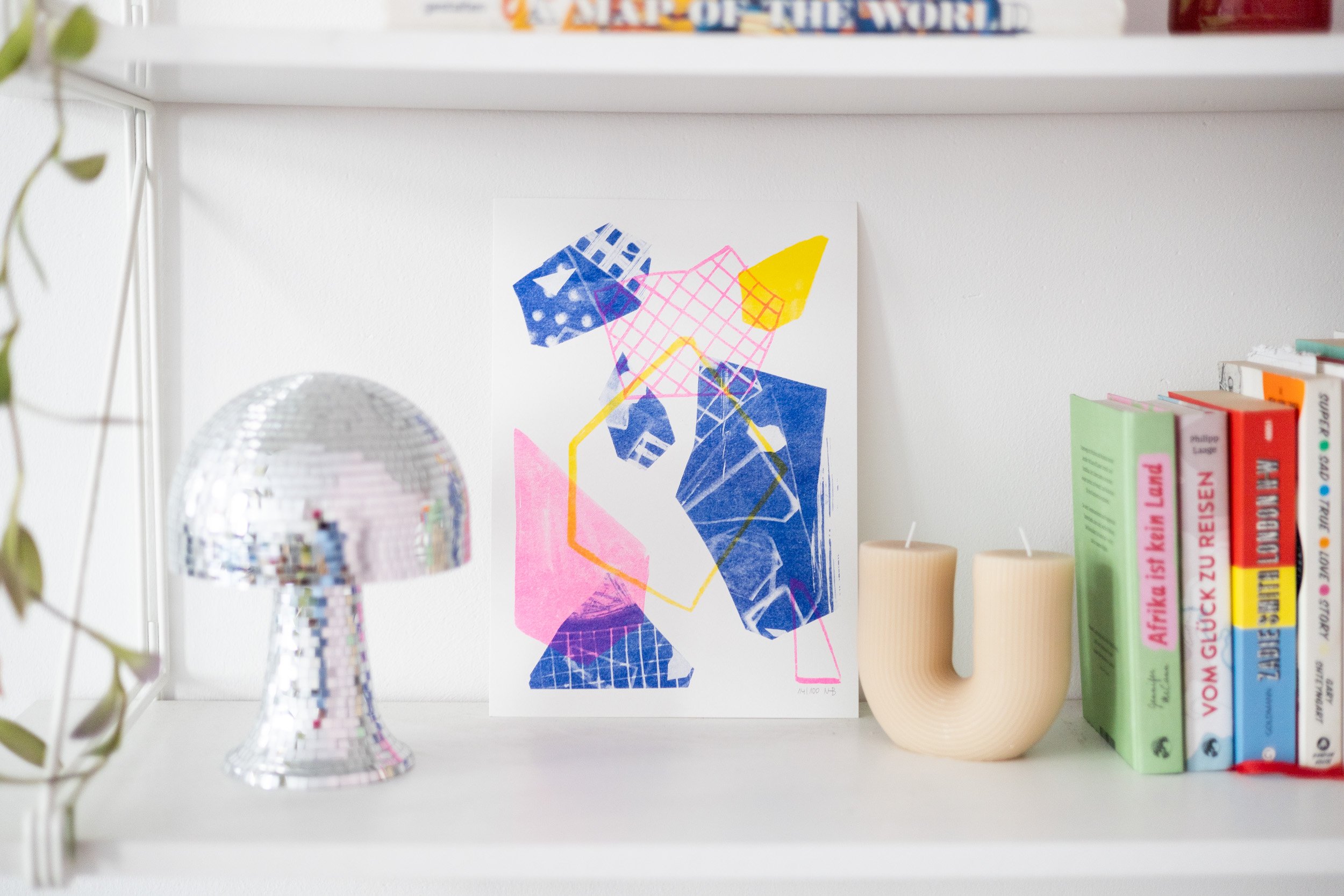
    – As a sucker for brutalist architecture I really love the work of Mimi Mynz who creates beautiful risographs and collages of buildings.

    You want to find out more?
    Find Nina´s website here! She also has a shop and don´t forget to check out her beautiful Instagram account and leave some love!

     Copyright © Nina Hüpen-Bestendonk
    Copyright © Nina Hüpen-Bestendonk
  • Artist Spotlight: Illustrator JAN Kruse

    Artist Spotlight: Illustrator JAN Kruse

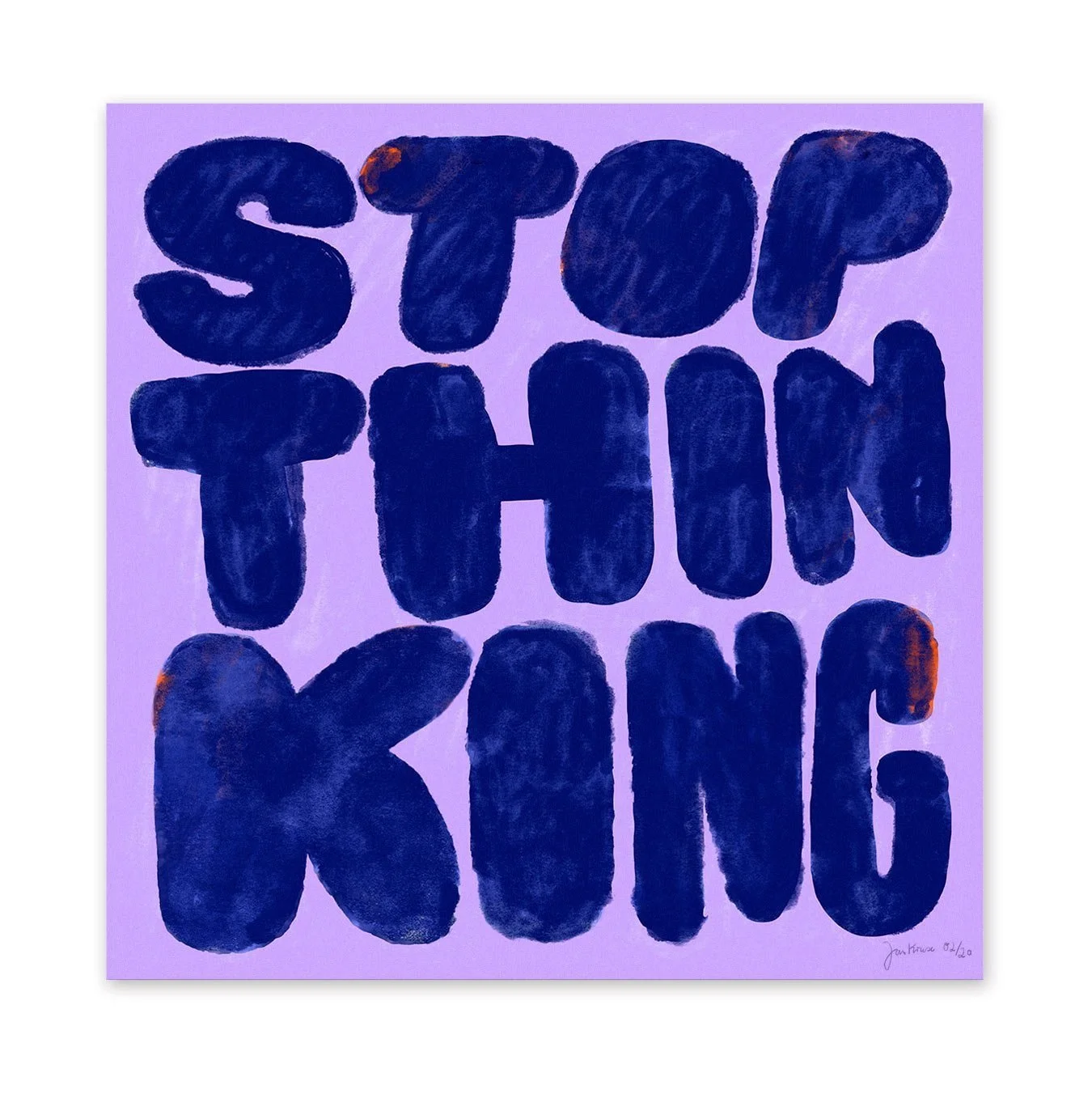
     Copyright©Jan Kruse, 2025
    Copyright©Jan Kruse, 2025

    1.⁠ ⁠Can you tell us a bit about your journey as a creative? How did you start in illustration?

    My mother was a painter, ceramist and allround-creative. So, I was surrounded by ceramics, paintings and crafts since I was young in the late 70s and 80s. So – I and my sister started doing creative things very early. 
    Unfortunately I was not good at drawing like my mother or my sister (and many others), but I was always enthusiastic about colors, graphic forms, typography, abstract art, pop culture and so on.
    So I decided to study Graphic-Design in the 90s, but later started exploring art, illustration, photography, graphic design and product design. 

    2.⁠ ⁠How has your style evolved and changed over time? Do you actively shape it or is it changing organically? 

    During my time at university I was very impressed by simple and bold graphic art and design. My Professor was a swiss designer from this famous 60th swiss design area. You know … Helvetica and so on … 

    This was the starting point – I was always in love with 50s/60s/70s/80s designs, but also very interested in all the Zeitgeist stuff. Finally my work has always been a mix of old and modern things and parts of my childhood as well as my youth. 

    Unfortunately I am very quickly bored of doing the same thing and doing something two times might sometimes be enough already! So maybe I tried too many things in my career?!

    Looking back I sometimes did strange and not very good things and of course clients would love to know exactly what they get. Maybe that is the reason why I do not have a „special never changing own style“?!
    On the other hand I still learn and try out so many things and really really love it. Neatly to say I am still „on fire“ after 25 years.
    That’s great, although it would make sense to have a more distinctive style from a commercial point of view(?).

     Copyright©Jan Kruse, 2025
    Copyright©Jan Kruse, 2025

    3.⁠ ⁠⁠How do you find and connect with clients? Do you rely on social media, networking, or other platforms? How do you promote your work? 

    I had the luck to meet a few people in my life who helped me to get jobs and interesting work for years. First of all it was my friend Thomas Morr, who founded the Berlin based record label Morr Music in the late 90s. He asked me to do all the graphic stuff for him – website, record/CD-covers, posters, T-Shirts and much more.
    In the early 2000s we had some international success with the label, the music and identity somehow got hip and we got features in design books and magazines, had exhibitions in different countries and so on. This helped a lot and I am still benefiting from all the people I met while working for the music scene. 

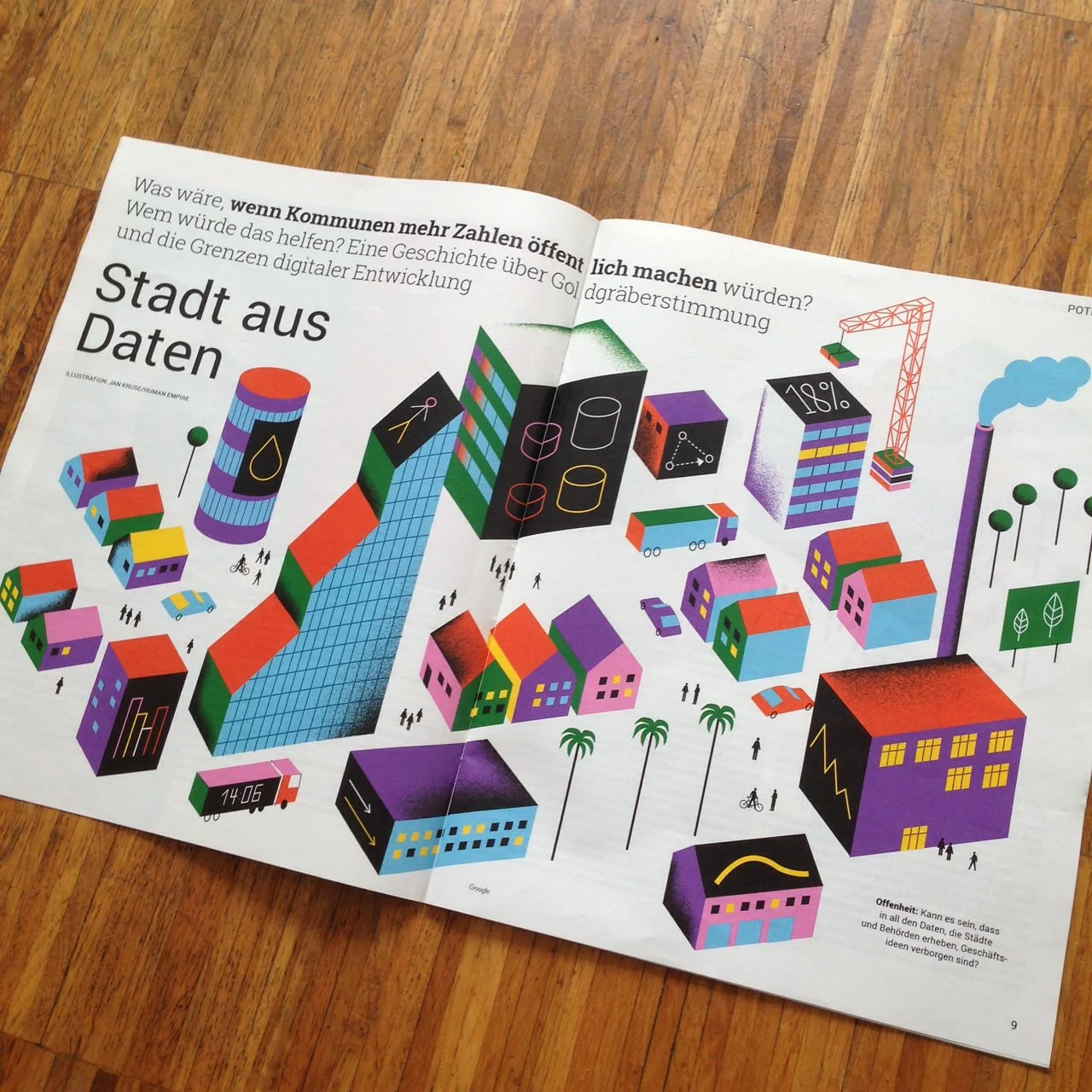
    The second important person was the creative director of “Die Zeit”. He was visiting a concert and I was selling band poster on a concert in Hamburg. He as asked me who has made these posters and after I told him that it was me, he told me that he maybe has a job … He asked me to come to his office on Monday. This was a start of a very long relationship and many jobs I did for “Die Zeit” during the last 20 years.

    The most important thing that happened to me, was that we discovered a shop by chance! When I was looking for a space for our new founded studio Human Empire with a friend in 2003. We found this lovely shop near the Schanzenviertel and worked there with four designers and started to sell things we designed.

    In the beginning just records, posters, T-Shirts, but then we started to sell things from other artist for example friends we met through the connection with Morr Music. Artist from Japan, the UK, US, New Zealand and other places. We also did exhibitions in our shop and opened our first Webshop. Somehow this helped a lot to be connected: Looking back, it was a huge stroke of luck and changed everything!

     Copyright©Jan Kruse, 2025
    Copyright©Jan Kruse, 2025

    4.⁠ ⁠⁠Do you work independently or collaborate with an agent, agency, or other creatives? Why did you choose this setup? 

    20 years ago I worked with an agency for some years. But honestly I love to work alone cause I need silence and it needs some time to get lost in „work“.

    But we collaborated with many artists and designers in our store and sell their things, do exhibitions and so on. 

    5.⁠ ⁠⁠ ⁠What is the most challenging part of being an illustrator/graphic designer/photographer for you?

    The problem is my total enthusiasm for so many different creative disciplines and that I often have to stop myself by saying: Jan you do not have the time and you will not earn any penny with this (cool) project. The older I get the more I spent time with projects I love! But the bigger the pressure of this money shit is, sometimes I´m afraid, that I have to stop doing the things I love … but maybe these are just strange fears and give an extra-portion of motivation to always give my best. Haha …

    6. Looking back, what advice or knowledge would have made all the difference or would have helped you a lot in the beginning of your career? 

    The most important thing, which helped me to remain 100% enthusiastic is to keep on doing what I love. Even if some commercial jobs do not give me satisfaction I always come back to my own personal work. Otherwise I would be depressed very quickly.
    Many people in my age just do the creative stuff for earning money and for them it seems to be ok. I think many of them earn more money. And I sometimes think: Maybe you just have to do a boring job, always doing the same thing. But the older I get, the more uncompromising I become – that is a good sign that I am still on fire and hopefully finally it will result in something good, at least it shouldn’t end in bankruptcy ; )

    7.⁠ ⁠⁠If your design style were a playlist, what would the first three tracks be, and why? 

    1. Beatles – Yesterday (all my trouble seem so far away) for my love for Vintage design and the good times I had.

    2. Slow Pulp – Slugs / A relaxed Indie Pop Song. Melancholic, emotional but beautiful ; ) Often hear this kind of music while working

    3. The Cure – Just Like Heaven – Melancholy, but somehow optimistic. My first indie love song … and at least in my art I try to find a combination of simple and bold art with very emotional texts.

     Copyright©Jan Kruse, 2025
    Copyright©Jan Kruse, 2025

    8.⁠ ⁠⁠Do you have any resources that everyone should know about? 

    Sounds a bit silly, but the best resource is yourself.
    If everyone would stop the never ending stream of inspiration for a moment and think about if she/he could add something very personal to to this stream. Maybe one day design and illustration would not look the same, between the Indonesian jungle and a village northern Finland like today.

    Maybe this sounds a bit sarcastic, but I really love artist, designers and illustrators who do not just follow all hip styles, but put something personal, authentic and deep  in their work – even if it´s not popular and for the algorithm. 🙂

     Copyright©Jan Kruse, 2025
    Copyright©Jan Kruse, 2025

    9.⁠ ⁠⁠Can you please add 3-5 links of things that have recently inspired you, made you think about things more deeply or you just feel incredibly entertained by! 

    de.pinterest.com/Vintageillustrators/

    I collected more than 450 illustrators and designers from the 60s, 70s and 80s on this Pinterest account. Somehow there are so many almost extinct styles which really inspire me. I really still love this!

    Unfortunately I do only know the platforms and websites everyone knows. At the moment I think a lot about the total overload of media, information, design and things in general and what it makes with us. I sometimes feel bad to put my (not very important) posts and stuff in the internet. It is just already too much there and maybe we need a media and picture diet not just more and more stuff.

    Anyway … this is just a personal impression … maybe it is just a sign for my age. ; )

    Find out more about Jan here and about his SHOP: HUMAN EMPIRE!

  • How to Find Clients as a creative

    How to Find Clients as a creative

    A guide for illustrators, designers & photographers

    Finding the right clients as a creative can feel like a mystery, but it doesn’t have to!

    Whether you’re an illustrator, designer, photographer or artist, building a sustainable career means connecting with people who value your work. Here’s where to start:

    Your website & portfolio

    Your website is your creative home base. It should be well designed, easy to navigate, and showcase your best work.

    • Keep it simple and clear, highlight your strongest projects and make it clear what services you offer.

    • Update it regularly with new work so potential clients can see what you’re up to.

    • Make it easy to contact you. Have a clear email address or contact form so that clients can easily get in touch with you. Make sure clients know where you are based.
    • If you don’t already have a website, platforms like Adobe Portfolio, Squarespace or Cargo make it easy to set one up.

    Social media

    Social media can be a powerful tool, but only if you use it strategically.
    Focus on platforms where your ideal clients are:

    • Instagram: Great for sharing behind-the-scenes work, progress shots as well as finished pieces. Use relevant keywords in your caption and geotags to increase discoverability. Just be yourself and share away!

    • LinkedIn: Many art directors, publishers and brands look here for talent. Share your work, insights into your process, and thoughts on the industry to build credibility.

    • Pinterest: Especially useful for illustrators and designers, as art directors often browse for inspiration.

    • there is lots of different platforms to share your work for example Behance, Dribbble, Cosmos, Are.na and many many more!

    The key is consistency. Show up, engage with others, and share work that represents what you want to be hired for.

    Reach out directly (yes, it works!)

    If you have a dream client in mind, don’t wait for them to find you — reach out! Many creatives underestimate the power of a simple, well-written email.

    • Research the company: Find the right person to contact (Art Director, Creative Director, or Marketing Manager).

    • Personalize your email! This goes without saying because no one wants to receive an email that sounds like it is written for another 2000 people!

    • Keep it short, introduce yourself and show your enthusiasm for their work. Include a link to your portfolio.

    • Make it easy for them to see what you do and who you have worked for already as well as show them your recent commissions and passion projects!

    Follow up! If you don’t hear back, a gentle follow-up after a few weeks can keep you on their radar.

    Networking & industry events

    Connecting with people in real life can create lasting relationships that lead to work.

    Attend industry events, art fairs, and workshops. These are great places to meet potential clients and collaborators. Join creative organizations, groups like the AOI (for illustrators), AIGA (for designers), and photography collectives offer networking and work opportunities.

    Talk to people about what you do. You never know who might need your skills, or who might introduce you to the right person.

    Your best clients are often people you’ve worked with before

    Keep in touch, sending past clients updates on new work and reminding them that you’re available for projects.
    Ask for referrals!

    If they’re happy with your work, they may recommend you to others. Stay in their inbox.

    A simple newsletter with recent work or industry insights will keep you on their radar without being pushy.

    Competitions & publications

    Submitting your work to design or illustration competitions can be a great way to get noticed. Publications and online platforms that showcase creative work can also put you in front of potential clients.

    Creative Boom, It’s Nice That, Communication Arts, Creative Review and Print Magazine often feature fresh creative talent.

    Competitions such as the World Illustration Awards or American Illustration can increase your visibility in the industry.

    Sometimes great client work comes from personal projects or collaborations.

    When you create something unique, it often gets shared and attracts the right people.

    Start a passion project. This could be a self-initiated series, a zine or an experimental design piece. Collaborate with other creatives! Photographers and illustrators, for example, you can team up to create something new and unexpected.

    Final thoughts: show up, be consistent, and stay open!

    Finding clients means putting yourself out there in a variety of ways. There’s no one method that works for everyone, but a combination of visibility, networking and direct outreach will help you land the right projects.

    Stay patient, be proactive, and remember — your next client could come from anywhere!

    Feel free to reach out if you have something more complex to talk about such as Client outreach, Portfolio & Website Crit or whatever you need help with. We are always available to help with our Business Help Hotline!

  • Stuck in Your Business? Let’s Fix That!

    Stuck in Your Business? Let’s Fix That!

    Welcome to the Business Help Hotline!

    Running a creative business is amazing—but let’s be real, it can also be frustrating, confusing, and straight-up overwhelming. Whether you’re struggling with pricing, figuring out your next move, or just need a second pair of eyes on your portfolio, sometimes you just need a quick, no-BS chat with someone who gets it!

    That’s where the Business Help Hotline comes in!

    What’s the Business Help Hotline?

    It’s a 60-minute power session where we help you tackle whatever business challenge is keeping you up at night. No fluff, no generic advice – just real, practical solutions designed to move you forward.

    What Can We Help With?

    • Pricing & Negotiation: Tired of guessing what to charge? We’ll help you set rates that reflect your worth and show you how to negotiate like a pro.

    • Portfolio & Website Review: Let’s make sure your work is doing the talking (and attracting the right clients).

    • Branding & Positioning: Feeling all over the place? We’ll help you clarify your voice and stand out in a crowded market.

    • Social Media Strategy: If posting feels like shouting into the void, we’ll show you how to make it actually work for you.

    • Client & Community Building: Want to turn followers into real opportunities? Let’s make those connections meaningful.

    Why Book a Session?

    Because you don’t have to figure this all out alone. We’ve been there, we’ve made the mistakes, and we’ve learned what works. Our goal? To give you clarity, confidence, and an actual plan so you can get back to doing what you love –without the stress.

     Let’s Make Your Business Work for YOU.

    Book a Business Help Hotline session now, and let’s tackle whatever’s in your way. One hour, real results, and a lot less overthinking. 

    GET IN TOUCH!

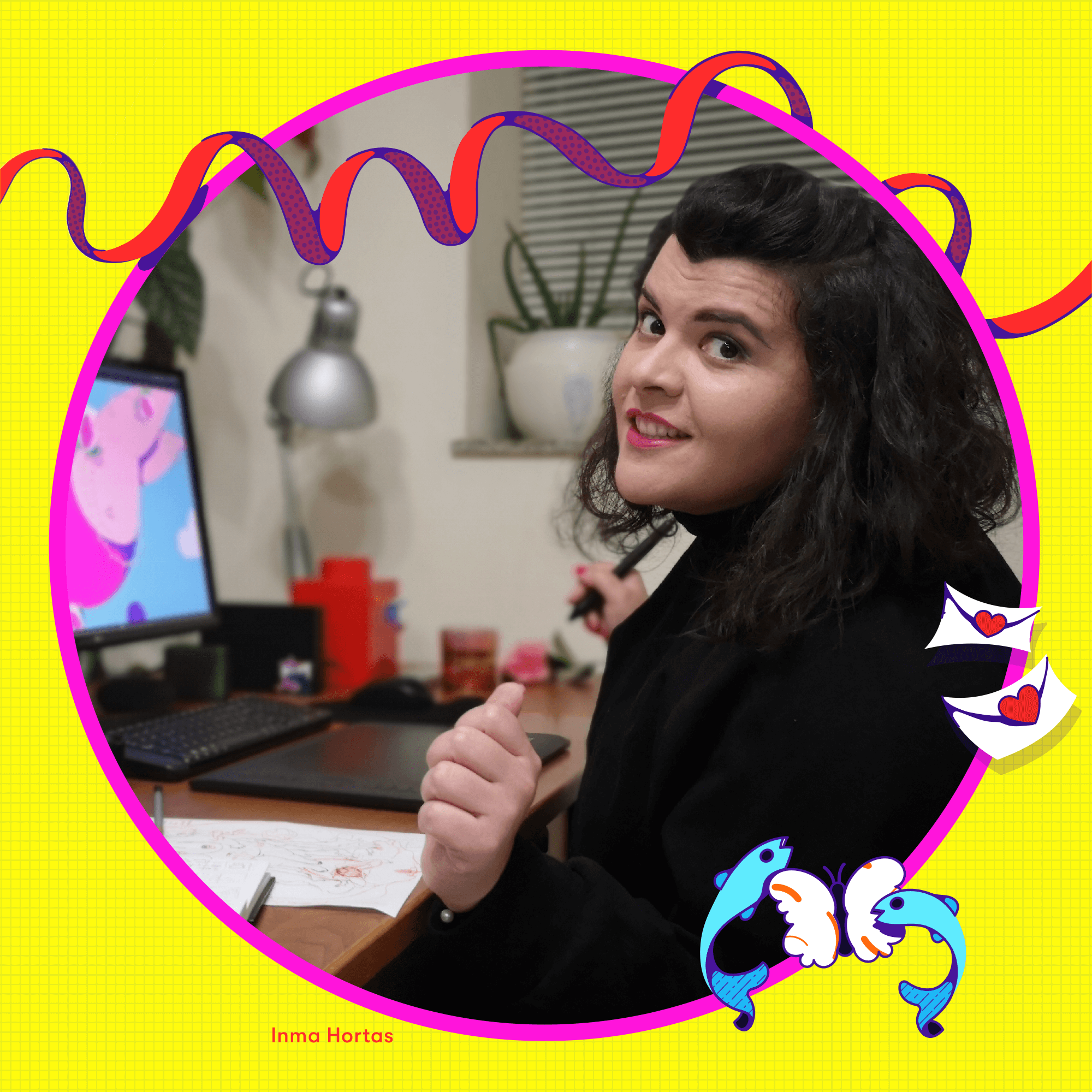
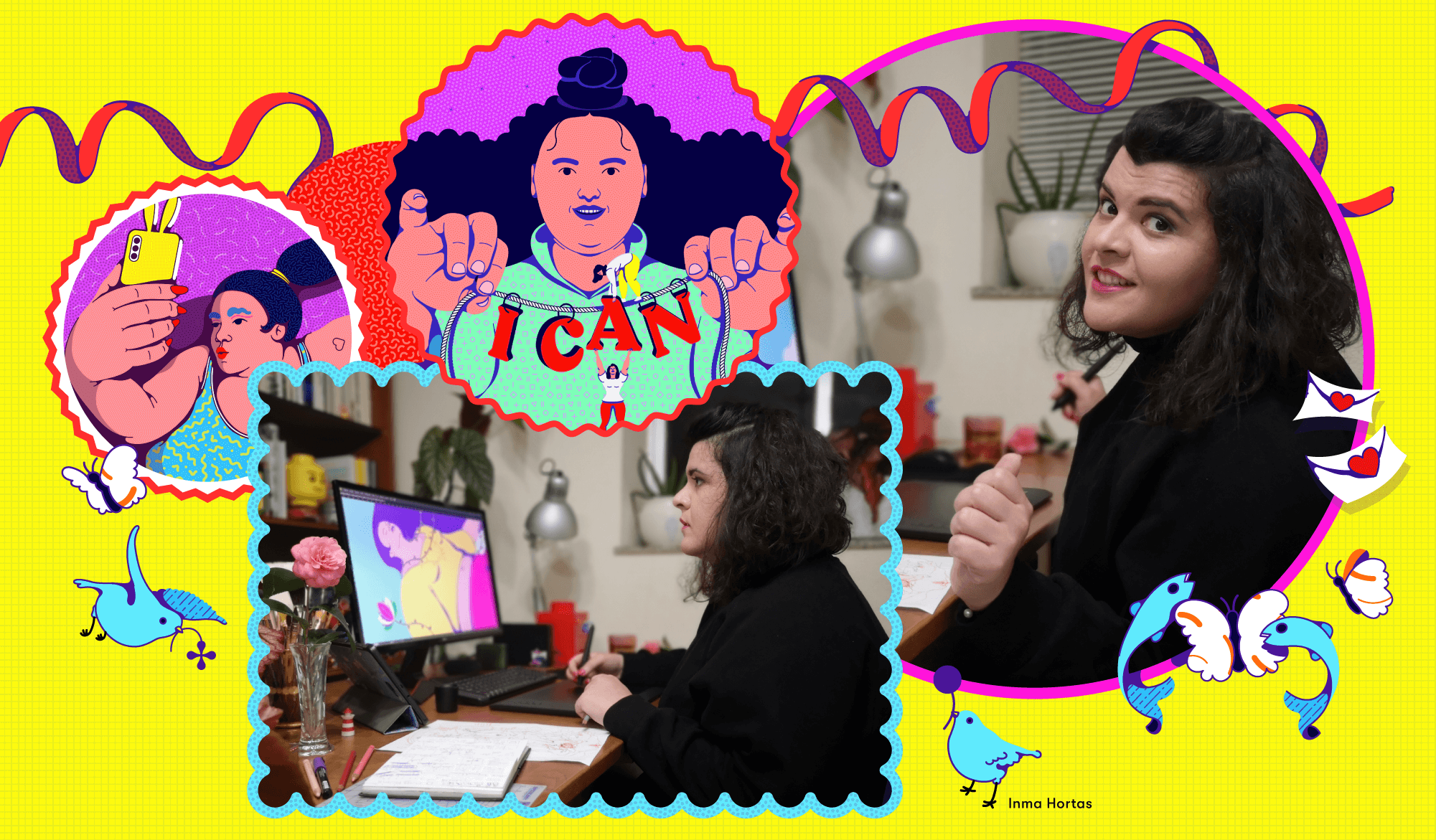
  • Artist Spotlight: Illustrator Inma Hortas

    Artist Spotlight: Illustrator Inma Hortas

     (Copyright © Inma Hortas, 2023)
    (Copyright © Inma Hortas, 2023)

    1.⁠ ⁠Can you tell us a bit about your journey as a creative? How did you start in illustration?

    Hi everyone, I’m Inma Hortas, an award-winning illustrator, former corporate art director and designer and generalist illustrator for 10+ years. I actually „found“ my own style and voice during the pandemic, when I completely switched my career towards full-time illustration and since then I’m the most happy illustrator you could find in a work-related sense. 

    I find motivation in human stories and realities, intimate struggles, minorities issues, and I feel especially committed to the body positivity movement, lgtbq+community and feminism.

    Definitely representation matters to me and I do believe everyone deserves love (self-love primarily), respect and joy! so my goal is bringing all those abstract positive feelings into my illustration work and spreading the word.

     2.⁠ ⁠How has your style evolved and changed over time? Do you actively shape it or is it changing organically?

    I don’t think too much about my style, I just let it flow organically, as I’m much more interested in enjoying the process, otherwise I risk burning out. What I do consciously is try to work on diverse topics and experiment with lettering and animation, which makes my day-to-day life much more fun. Hopefully I’ll find the time to play a lot more in the near future.

    3.⁠ ⁠⁠How do you find and connect with clients? Do you rely on social media, networking, or other platforms? How do you promote your work?

    I don’t rely on social media, I think most art directors don’t keep track of our work on social media at all, it helps to give a good first impression though. My main tool is my website, which is what I show when I explain what I do, and I simply reach out by email in the first place. I use social media as an additional promotional tool, along with entering some competitions to put my illustrations in front of potential commissioners. Most of my clients are previous ones that come back to me more than once, to be honest. Lucky me!

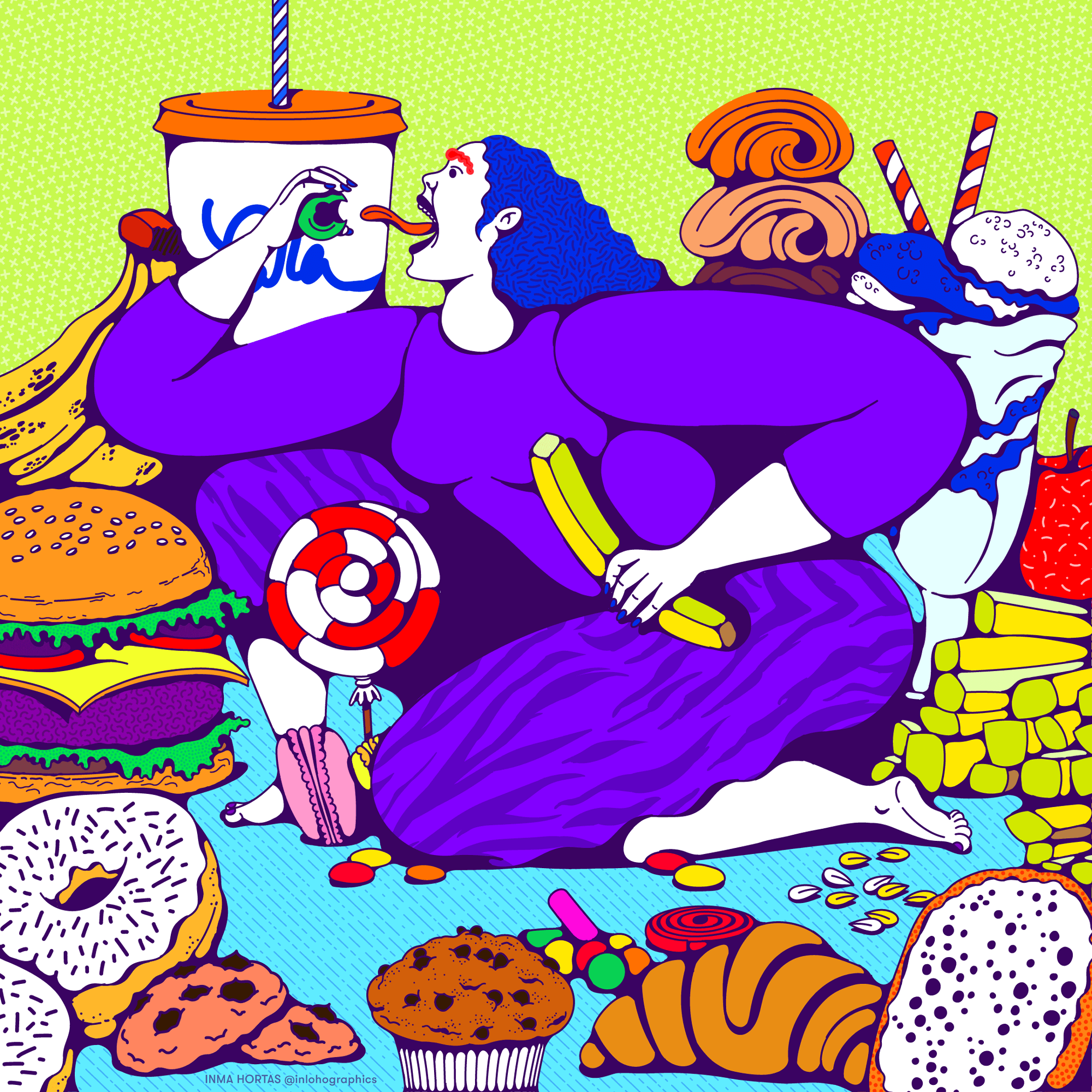
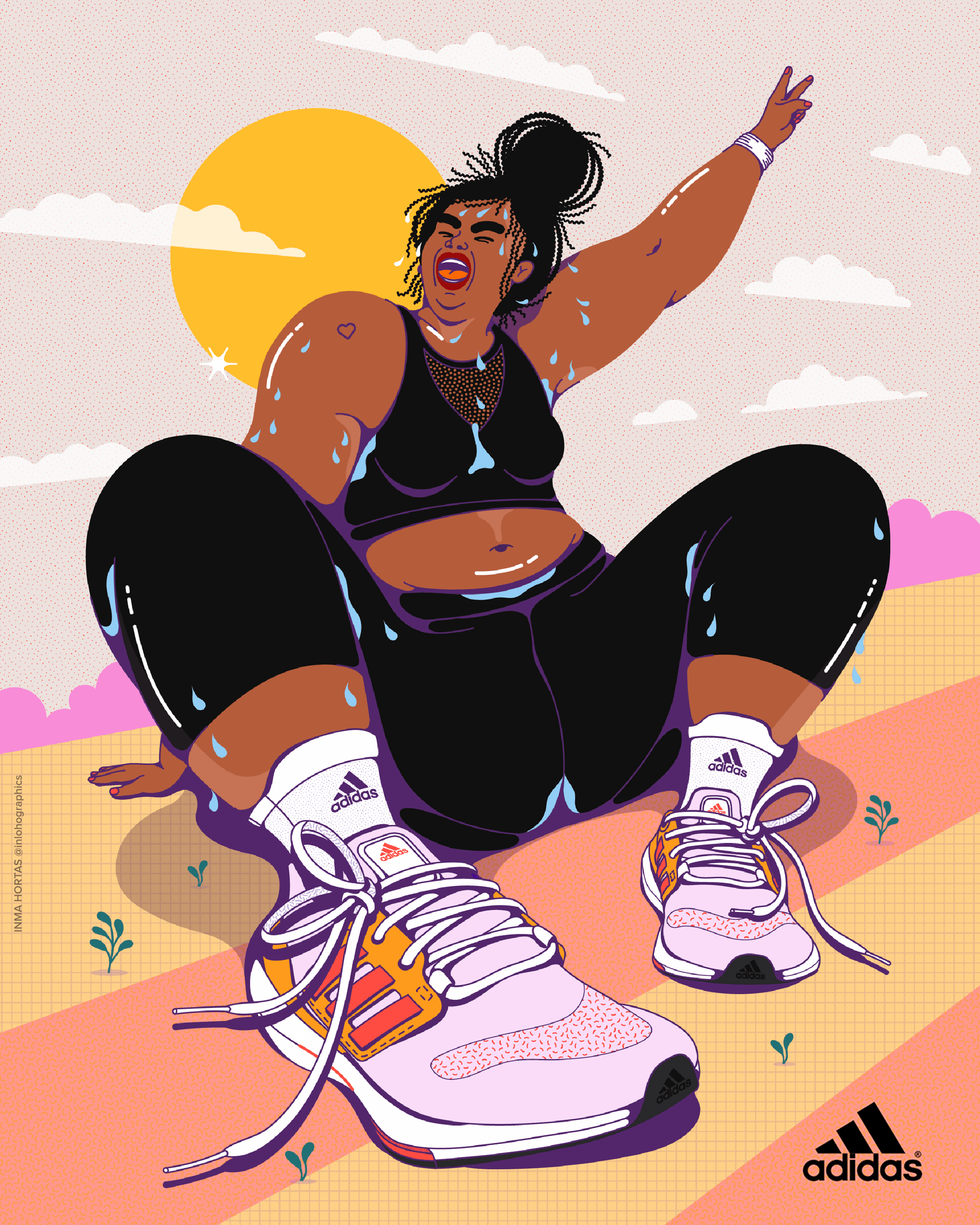
     'Signs You’re Stress Eating' for The Girlfriend from AARP (Copyright © Inma Hortas, 2023)
    ‚Signs You’re Stress Eating‘ for The Girlfriend from AARP (Copyright © Inma Hortas, 2023)

    4.⁠ ⁠⁠Do you work independently or collaborate with an agent, agency, or other creatives? Why did you choose this setup?

    I work independently at the moment. I feel confident dealing with contracts and legal aspects on my own. Setting a proper quote for every commission may be tricky though, overall I’m comfortable right now thanks to the brilliant assistance of the AOI and the illustration community. In my experience, illustrators are the most generous colleagues I’ve ever met #strongertogether indeed, I do love the sense of belonging I feel and the support I give and receive openly. I often collaborate with other creatives, which I want to do much more. Only great things come from creative humanpower!

    I think that both independence and representation are good options, as the support of an illustration agency can also be very useful in the vast majority of cases. The key is to find the right partner, as in any other relationship, in my opinion, fair conditions for both parties and the same level of commitment as a starting point.

     5.⁠ ⁠⁠ ⁠What is the most challenging part of being an illustrator/graphic designer/photographer for you? 

    Being a creative freelancer is a challenge in itself, but as an employee, there are always pros and cons too. I would say that isolation is a challenge, especially if you work alone most of the time. That is why, in my opinion, local and online associations and communities of illustrators are so important. I think the most challenging aspect is the business side of freelancing, which in itself doesn’t interest me personally at all, it’s basically part of the job, the price to pay for making a living as professional illustrators.

    6. Looking back, what advice or knowledge would have made all the difference or would have helped you a lot in the beginning of your career?

    I’d love to have believed illustration was a viable career sooner in my life, design was my first love though. Anyways I was lucky enough to find some mentors along the way, who said to me things like “you just draw as much as you can, someone in some place will see it and your story will begin”. This helped me a lot to trust the process and keep just working. Or things like “wherever you are, you will be fine, and if not, just go somewhere else, as if just throwing stones on a beach is what makes you happy”. This helped me a lot to put myself first, and realizing I’m an illustrator now, but tomorrow everything may change, just to follow my gut without guilt.

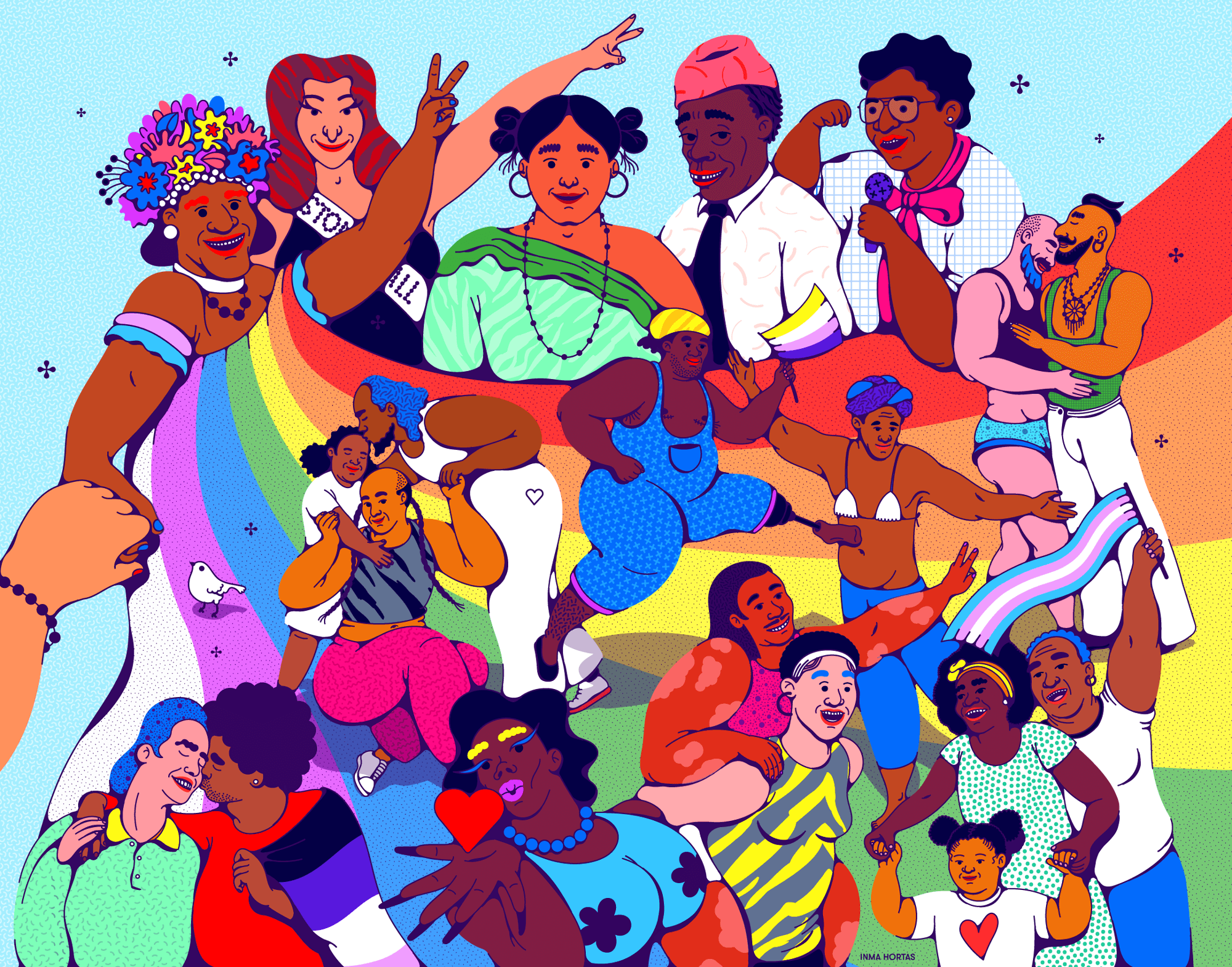
      'Pride: Historical Activists And Diversity’ for Southern Poverty Law Center (Copyright © Inma Hortas, 2024)
    ‚Pride: Historical Activists And Diversity’ for Southern Poverty Law Center (Copyright © Inma Hortas, 2024)

     7.⁠ ⁠⁠If your design style were a playlist, what would the first three tracks be, and why?Mika,

    First up, the song “Big Girl (You Are Beautiful)” by Mika. I’ve been in love with Mika’s music for ages, it’s about joy and loving yourself just the way you are, it’s deeply engraved in my DNA as a human being and illustrator.

    Secondly, “I’m So Excited” by The Pointer Sisters. I love original disco music from the 70s and 80s in general, made to dance and feel the vibe. This particular song makes me jump with joy and I try to spread that positive energy through my work. In fact, that is the feeling my illustrations give me, I really enjoy them.

    In third place, “Tola” (Crazy), by Fillas de Cassandra. Delicate, sensitive, feminist, current… how I also feel about myself and what I do. This one is sung in my mother tongue, Galician, an official but minority language, closely linked to my memories and the love for the physical earth that feeds us… so this one touches my heart on another level.

    8.⁠ ⁠⁠Do you have any resources that everyone should know about?

    I think it’s important to read/listen and keep ourselves updated about the whole creative industry, just by taking a look at some particular publications/entities like the AOI, Creative Boom, It’s Nice That, Creative Review, to name a few well-known magazines and associations, but also local ones, colleagues, festivals, just keeping ourselves up to date, connected with what’s going on.

    In general, I recommend asking for feedback and reviews as much as possible, staying open to all authoritative opinions and just actually taking what we feel is right for us.

    On a more practical level, I recommend using a few apps to streamline our workflow, just try out which one suits you best as there are tons out there, for tasks like managing projects and schedules, managing leads, tracking emails, cloud storage, taxes, etc.

     9.⁠ ⁠⁠Can you please add 3-5 links of things that have recently inspired you, made you think about things more deeply or you just feel incredibly entertained by!

    Sure, fortunately there is so much talent out there!

    • “Imbecil” (Moron), a graphic novel by Camille Vannier.

    • “Grip”, a graphic novel by Lale Westvind.

    • “Inu-Oh”, Dog King, an anime film by Masaaki Yuasa.

    • “Acciones Peregrinas” (Weird Actions), an exhibition by Pilar Albarracin at the CGAG Museum.

    • “Mo” series, co-created by comedians Amer and Ramy Youseff.

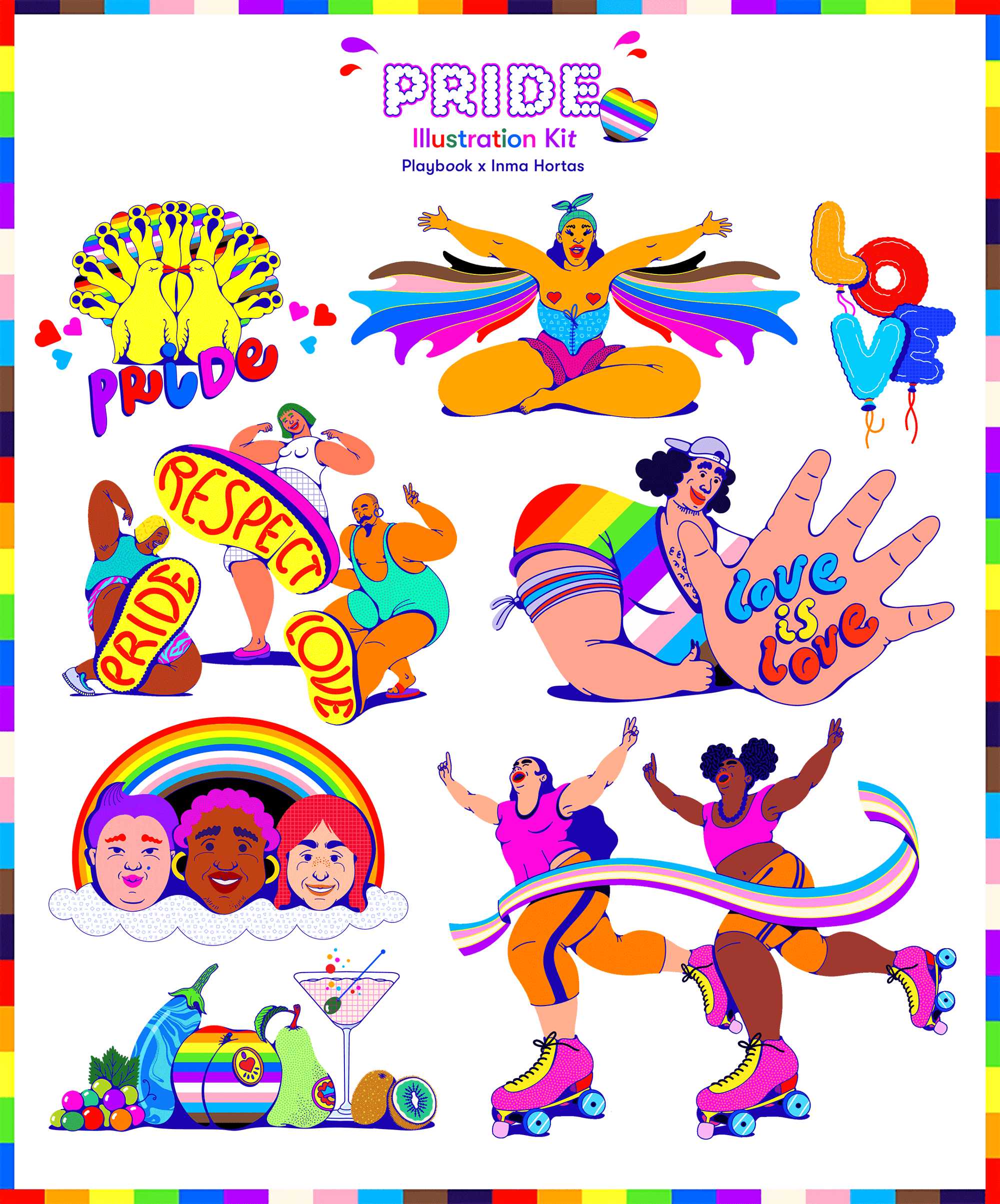
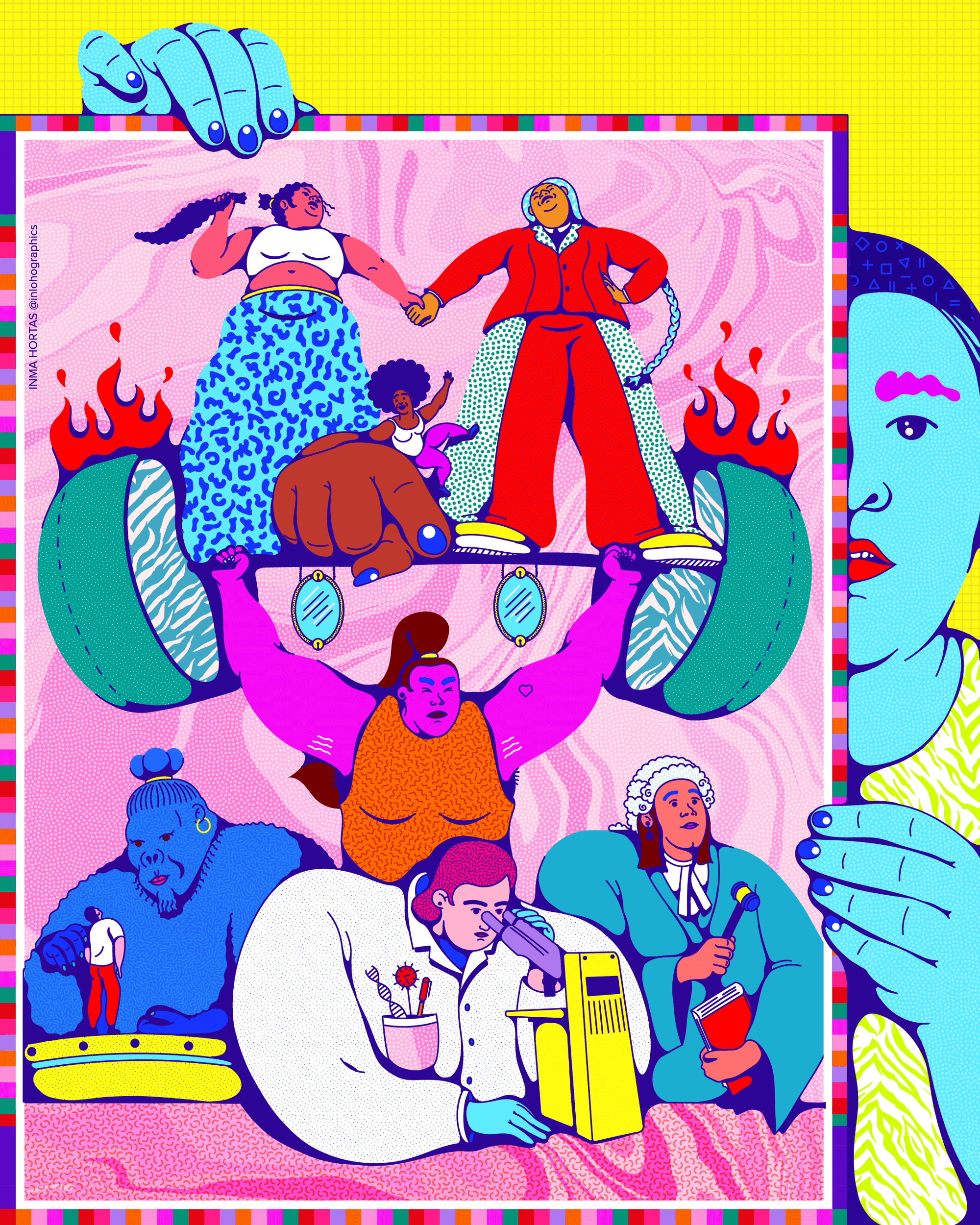
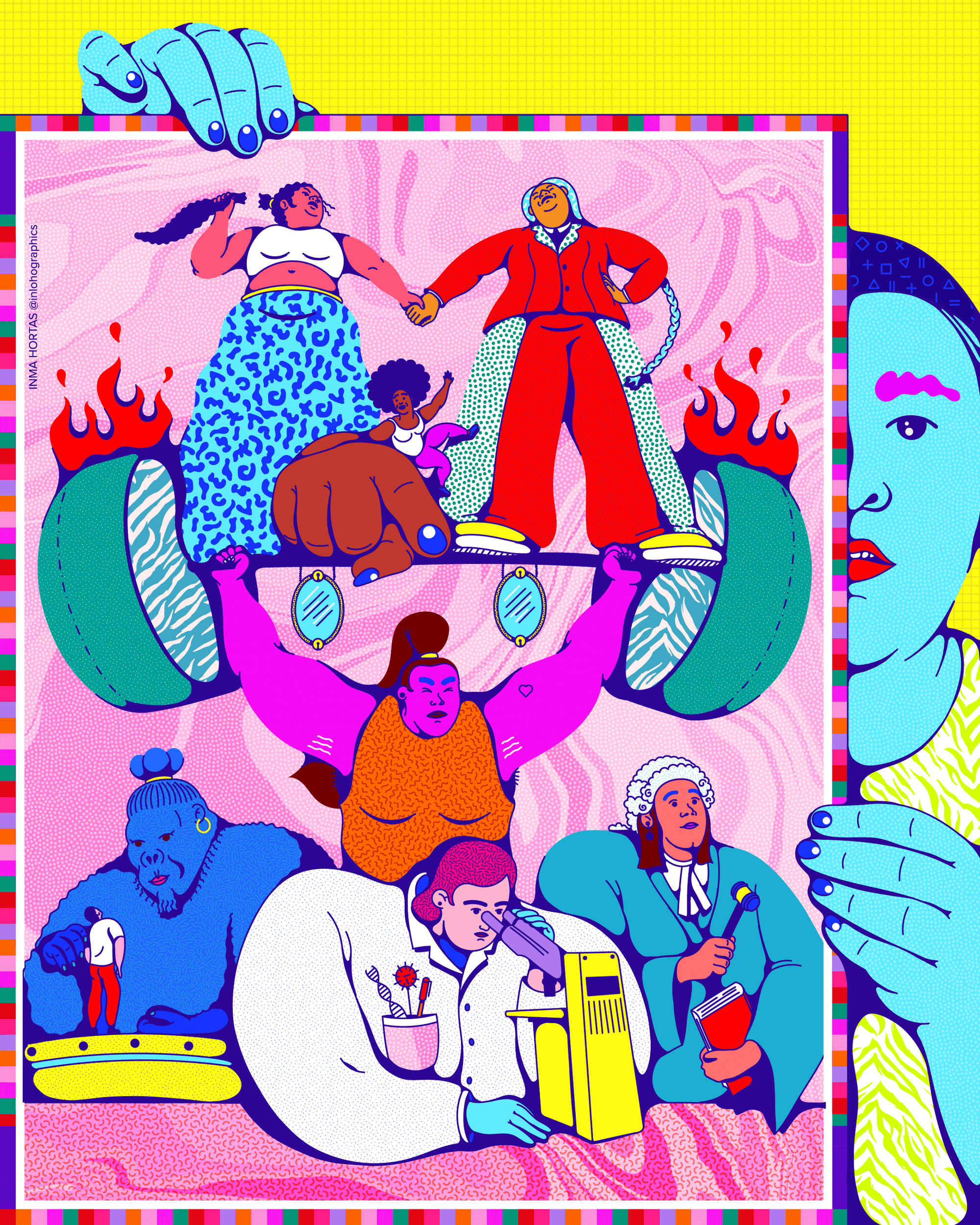
     'Re-Imagining Gender Biases' for CPB London (Copyright © Inma Hortas, 2022)
    ‚Re-Imagining Gender Biases‘ for CPB London (Copyright © Inma Hortas, 2022)

     10.⁠ ⁠⁠⁠In your opinion: who are the 2 most underrated creatives right now that you think need more attention and eyes on their work?

    I have doubts about the criteria that should be used to say that someone needs more attention, and I don’t like to think of social media followers. Social media is only important for commercial work in certain circumstances, it is not at all important for editorial or publishing work in my opinion, as I know very successful illustrators who work in those last two fields and barely pay attention to their social media.
    Every professional illustrator should be very busy in my opinion, as we live in a visual world, with lots of opportunities and although also a lot of competition, I’m very sure that this year will be better for the whole creative industry. That being said, I would love to highlight the work of Wendy Denissen and Rohanne Thomson, very talented illustrators who deserve more attention on social media.

    Find out more about Inma here and on Instagram!

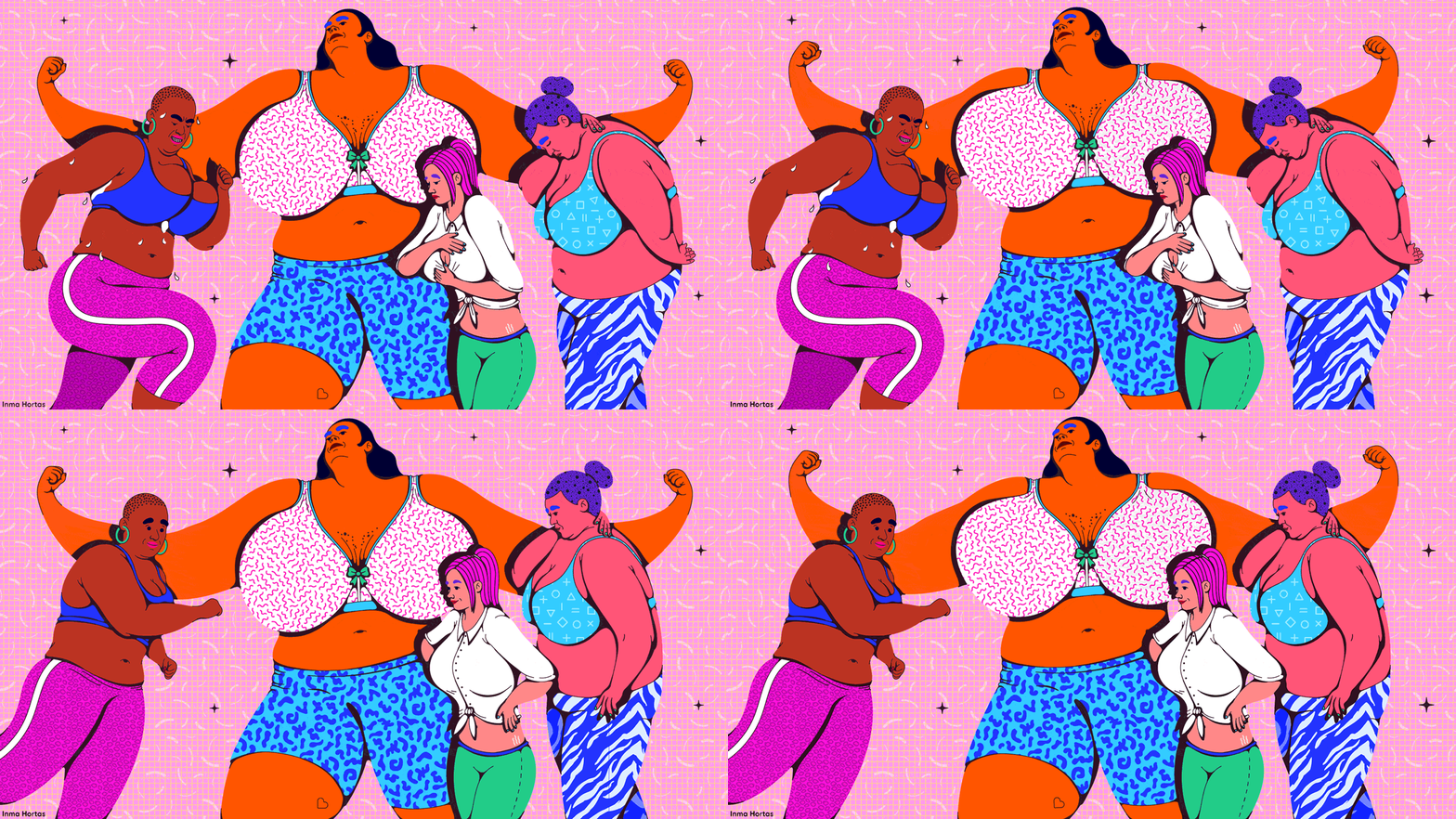
     “What No One Tells You About Having Huge Boobs’' for HuffPost US (Copyright © Inma Hortas, 2023)
    “What No One Tells You About Having Huge Boobs’‘ for HuffPost US (Copyright © Inma Hortas, 2023)
  • Interview: Danii Pollehn — Co-Founder of Oddly Wise

    Interview: Danii Pollehn — Co-Founder of Oddly Wise

    What inspired you to start this business? Was there a personal experience that sparked the idea?

    The idea for everyone to be able to grow, stop gate keeping services and building a more diverse creative Industry!

    Can you share a bit about your own background? Were you a creative yourself before stepping into this role?

    I’m still a freelance Illustrator but initially studied fashion design and worked as a textile designer and stylist before.

    What is the core mission of your business? What impact do you hope to make for creatives?

    Many creatives want to get into an agency to receive help for negotiation, with contracts, business & creative development as well as finding clients but for diverse reasons they can’t get in. We want to close the service gap and offer these services without having a roster so everyone feels supported, confident and can grow within their practice without worrying about unnecessary things.
    Basically a non exclusive agency that supports creatives with their needs. Over time we would like to build a directory and also offer brand collaboration, curation and many other things!

    Why do you believe so many creatives struggle with the business side of things?

    It’s a lot to juggle in the beginning or if you are working on many projects simultaneously. Working as a creative can mean a million different things and can be terrifying at moments. Also we struggle a lot with not believing in ourselves and our craft. Many are raised to believe that being creative is just a hobby and therefor shouldn’t be paid well but this is of course absolutely wrong for many many reason.

    Is there a particular moment or success story that made you feel, “Yes, this is why I do this”?

    Recently I mentored around 40 people in a program for Illustrators and there were so many aha moments for everyone and absolutely loved the atmosphere and what we accomplished together in just an hour and a half. In that moment I knew I wanted to help others and support wherever I can.

    What are the most common struggles creatives face when it comes to negotiation?

    Recognize self worth and what their craft actually does for clients as well as insecurity about prices and a client potentially walking away.

    How do you approach portfolio reviews? What are key things creatives often overlook?

    Often the question should be more about who you are as an artist and where you want to go instead of always thinking about what would the client want to see. Of course this is also important but I think a strong portfolio that spreads your ideas, vibe and aesthetic clearly does a lot more for you than a couple picture combined that someone thought might be helpful for getting clients.

    What’s a small but powerful business habit every creative should develop?

    We should all train to work through rejection and make it an easy transition instead of killing our confidence and creative sparks with it. This unfortunately happens a lot and I think it’s quite a skill to just put rejection to the side and not let it affect you!

    Have you noticed any industry trends that creatives should be paying more attention to? How has your business evolved since you started? Have there been any unexpected shifts?

    Personally I’m more interested in work that was created traditionally at the moment again after 5 years of almost  working digitally but also I think it’s now more important than ever to just do what you are envisioning instead of creating for Socials. I know we are still pretty reliable on the apps but secretly we are also all bored and tired of another reel about the same thing, just because it performs well. For myself there have been many unexpected shifts and some evolutions. As an artist myself I tend to overwork myself and with it – pushing myself into a creative crisis about every 3-4 years where I feel like a caterpillar transforming into a butterfly again and again. It’s a painful progress but also beautiful. It comes with lots of challenges but apparently it’s necessary for me to light my creative fire and feel excited again!

    What’s one myth about creative business that you wish you could debunk?

    In interviews I often get asked questions such as: “So you just get up sometime at noon, get kissed by a muse and start doing some paintings, when you are feeling like it? It’s so far from reality! As creatives we are super hard workers, especially coming from a working class background we hustle to make this career possible. It’s basically 6 full-time jobs squeezed in one.

    How do you hope to expand your impact?

    We hope to expand our impact by giving creatives the freedom to focus on what they do best—creating—while we take care of the operational, administrative, and strategic tasks that can be overwhelming. By fostering stronger connections within the creative industry and amplifying opportunities, we aim to build a more supportive, sustainable space for artists and creators to thrive. Whether through ongoing support, tailored strategy packages, or emergency counseling sessions, we’re here to lighten the load so creativity can flourish

    What’s one piece of advice you’d give to creatives who feel lost in the business side of things?

    Remember, you don’t have to do it all alone. The business side of creativity can feel overwhelming, but breaking it down into small, manageable steps makes a huge difference. Start by getting clear on your priorities—whether it’s pricing, contracts, or marketing—and tackle one thing at a time. And don’t be afraid to ask for help! Seeking guidance, outsourcing tasks, or leaning on a community of creatives can free up your energy so you can focus on what you do best—creating.

    How can people best connect with you and take advantage of the resources you offer?

    Reach out either through email or on socials also feel free to check out our blog and resource list we are working on constantly!

    If your business had a motto (or personal mantra), what would it be?

    Nothing is impossible!

    How would your friends describe you in three words? And how would your clients describe you?

    My friends would probably say I’m thoughtful, adventurous, and a little stubborn (in the best way 😉). My clients might describe me as creative, dedicated, and easy to work with. Hopefully, both would agree that I put my heart into everything I do!

    What’s a quirky or unexpected skill you have that helps you in your work?

    A quirky skill I have is being able to see the bigger picture even when the details feel overwhelming. I tend to step back and find patterns in the chaos, which helps me manage everything from schedules to client needs without getting too caught up in the stress. It’s like my brain’s secret superpower to keep everything running smoothly!